
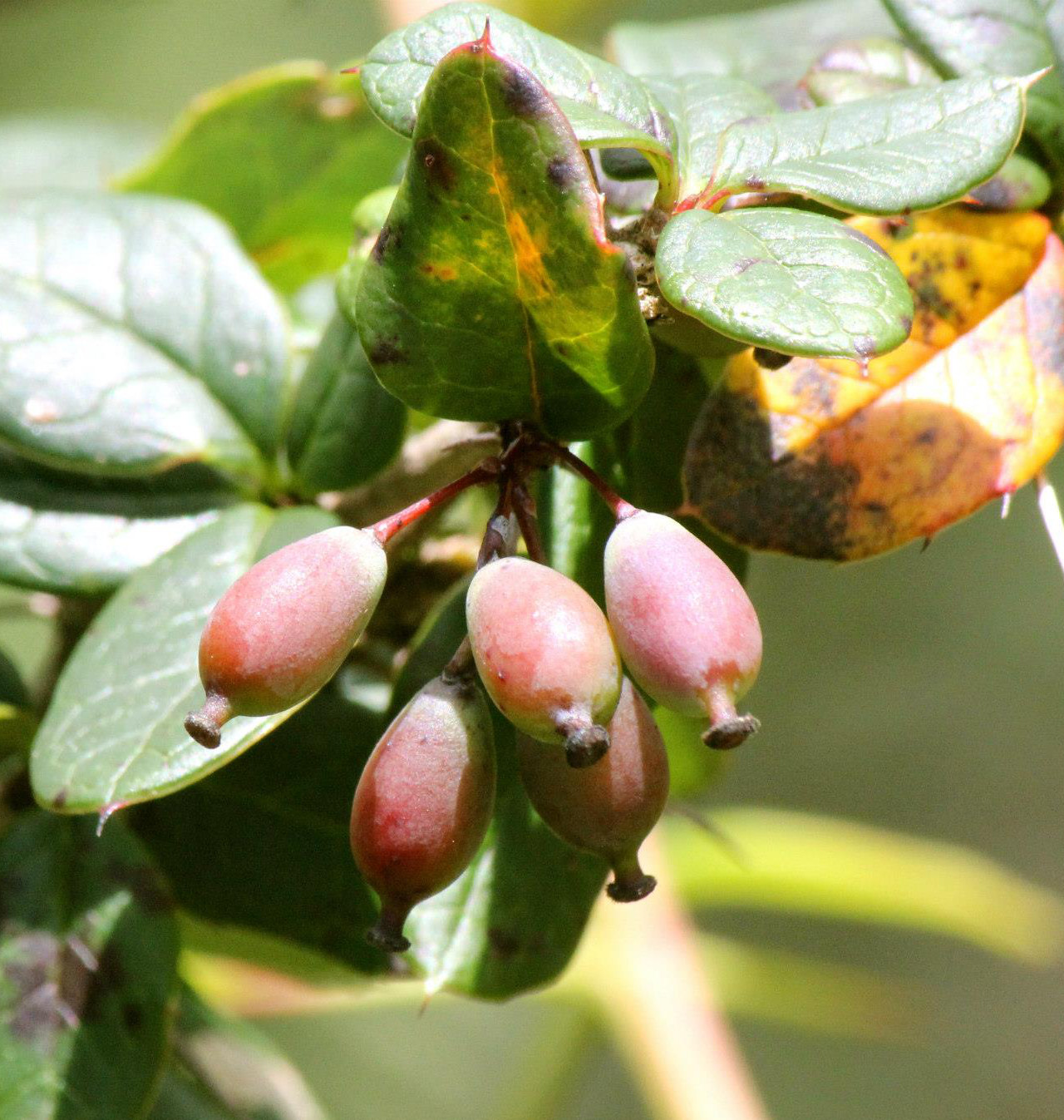
In a world where health and wellness take center stage, exploring natural solutions for common health issues like high blood sugar can be both exciting and beneficial. Berberine, a compound found in various plants like goldenseal and tree turmeric, is gaining traction as a potential aid in managing blood sugar levels. But what makes berberine so special, and how exactly does it work its magic in the realm of glucose control? In this blog post, we’ll investigate the scientific evidence, potential benefits, and practical applications of berberine as a promising ingredient for better blood sugar management.
Understanding Berberine: More Than Just a Plant Extract
The allure of berberine lies not just in its vibrant golden hue and origins in traditional medicine, but in its scientifically backed potential roles in modern healthcare.
The Historical Legacy of Berberine
Berberine has a long-standing history in traditional Chinese and Ayurvedic medicine. It has been used for hundreds of years to treat everything from infections to digestive issues.
- Traditional uses primarily involved treating gastrointestinal discomfort and infections.
- Modern scientific scrutiny has revealed its potential far beyond what was conventionally known.
The Science Behind Berberine’s Effects
What gives berberine its edge, particularly in terms of blood sugar regulation?
- Activation of AMPK: Berberine is known to activate AMP-activated protein kinase (AMPK), a key enzyme that plays a role in cellular energy balance and metabolism. By activating AMPK, berberine helps to regulate glucose uptake and fatty acid oxidation.
“AMPK activation by berberine is seen as a crucial mechanism by which it may help improve insulin sensitivity.”
- Influence on Gut Microbiota: Emerging research suggests berberine might beneficially influence gut flora, which can indirectly impact metabolism and insulin sensitivity.
These mechanisms spotlight berberine’s potential as a natural product worth considering in the fight for balanced blood sugar.
Unpacking the Benefits of Berberine for Blood Sugar Control
While the mechanisms sound promising, what does the data tell us about the tangible benefits of berberine for individuals with blood sugar challenges?
Scientific Studies and Outcomes
Numerous studies have delved into berberine’s effects on blood sugar management.
- Research published in the journal Metabolism showed that berberine can reduce blood sugar levels to a degree comparable to the popular pharmaceutical drug metformin.
- A meta-analysis of 27 randomized controlled trials indicated berberine’s positive impact on improving glycemic control in patients with type 2 diabetes.
Such findings underscore berberine’s potential role as a supportive supplement in metabolic health.
Considerations When Using Berberine
Despite its promising nature, berberine is not without considerations and possible side effects to keep in mind.
Potential Side Effects and Interactions
As with any supplement, understanding possible side effects and interactions is crucial.
- Digestive Upset: Some users report gastrointestinal issues such as constipation, diarrhea, or stomach cramps. This can often be managed by starting with a lower dose and gradually increasing it over time.
- Interactions with Medications: Berberine can interact with various medications, including blood thinners and antihypertensive medications. Therefore, it is essential to consult a healthcare provider before incorporating berberine into your regimen.
- Lowers Blood Pressure: Berberine might reduce blood pressure, which is beneficial for many, but it may also interfere with medications intended to manage heart health.
Optimal Use: Dosage and Timing
Practicing caution and using berberine appropriately can enhance its benefits.
- A typical dosage might range from 500 mg to 1,500 mg per day, divided into two or three doses for better absorption.
- Taking berberine with meals is often recommended to maximize its effects on blood glucose control.
Conclusion: The Path Forward with Berberine
As more research emerges, we continue to uncover the multifaceted benefits of berberine, not only for blood sugar control but potentially for broader metabolic health. While this intriguing compound should not replace standard medical treatments, it could be an invaluable addition to a comprehensive approach to health maintenance. If you’re considering berberine, consult with a healthcare provider to tailor its use to your personal health needs, ensuring optimal safety and efficacy.
Berberine stands as a beacon of hope for many seeking a natural path to manage their health issues—could it be a fitting addition to your health journey? Reflecting on personal health goals and collaborating with health professionals can help chart the course.
Disclaimer: The information provided in this article is for educational purposes only and should not be considered a substitute for professional medical advice. Always consult with a healthcare provider before starting any new supplement or health regimen, especially if you have existing health conditions or are taking other medications.