

Healthy Lifestyle Benefits: 5 Tips for Living Your Strongest, Healthiest Life Yet
In today’s fast-paced world, where chronic conditions like type 2 diabetes, heart disease, and mental health challenges are increasingly common, the path to wellness can seem overwhelming. You’ve likely heard countless pieces of advice about diet trends, workout routines, and wellness practices—yet finding a sustainable approach that works for your unique life remains elusive. According to recent health research, small, consistent lifestyle changes can significantly impact your overall wellbeing, potentially adding years to your life and dramatically improving its quality.
Imagine waking up each day with abundant energy, mental clarity, and the physical strength to pursue your passions without limitations. 💪 The good news? This isn’t just a dream—it’s achievable through intentional lifestyle choices that support both your physical and mental health. Whether you’re managing a chronic condition like ulcerative colitis or simply seeking to optimize your well-being, the five fundamental strategies we’ll explore can transform your health journey. From nutrition optimization and effective physical activity to mental wellness practices and sustainable habit formation, these evidence-based approaches will help you build the foundation for your strongest, healthiest life yet.
Understand the Foundations of a Healthy Lifestyle

Understand the Foundations of a Healthy Lifestyle
A healthy lifestyle isn’t just about eating right or exercising regularly—it’s about creating a balanced approach that nurtures your entire being. The path to your strongest, healthiest life requires understanding these core foundations.
Balance nutrition, fitness, and mental well-being
True well-being encompasses multiple dimensions that work together synergistically. While proper nutrition provides your body with essential fuel, physical activity strengthens your systems and builds resilience. However, these elements alone aren’t sufficient for comprehensive health.
A truly balanced approach also incorporates:
- Adequate sleep (7-9 hours per night)
- Regular mindfulness practices
- Effective stress management techniques
- Meaningful social connections
The American Heart Association recognizes this holistic perspective through their “Life’s Essential 8” checklist, which notably includes healthy sleep as a crucial component of cardiovascular health. Recent research confirms that quality sleep directly impacts how effectively you can manage other health factors.
Recognize the connection between lifestyle choices and chronic disease prevention
Your daily decisions significantly influence your long-term health outcomes. The relationship between lifestyle and chronic conditions is well-established, with research showing preventive benefits across numerous health challenges including:
- Type 2 diabetes
- Chronic kidney disease
- Various forms of cancer
- Cardiovascular conditions
By understanding these connections, you gain powerful motivation for making positive changes. Each healthy choice becomes an investment in preventing future health complications, allowing you to live not just longer but with greater quality of life.
Set realistic health goals based on your unique needs
Health improvement doesn’t need to be overwhelming. The journey to better health begins with recognizing your individual circumstances, challenges, and strengths. When establishing your health goals, consider:
- Your current health status and any existing conditions
- Personal preferences and lifestyle constraints
- Available resources and support systems
- Realistic timeframes for sustainable change
By tailoring your approach to your unique situation, you dramatically increase your chances of success. Small, consistent steps often lead to more lasting change than dramatic overhauls that prove difficult to maintain.
With these foundational principles in mind, we’ll next explore how to optimize your nutrition for maximum health. Understanding what fuels your body most effectively builds directly upon these core concepts, providing practical ways to implement healthy eating strategies that complement your overall wellness goals.
Optimize Your Nutrition for Maximum Health
Optimize Your Nutrition for Maximum Health
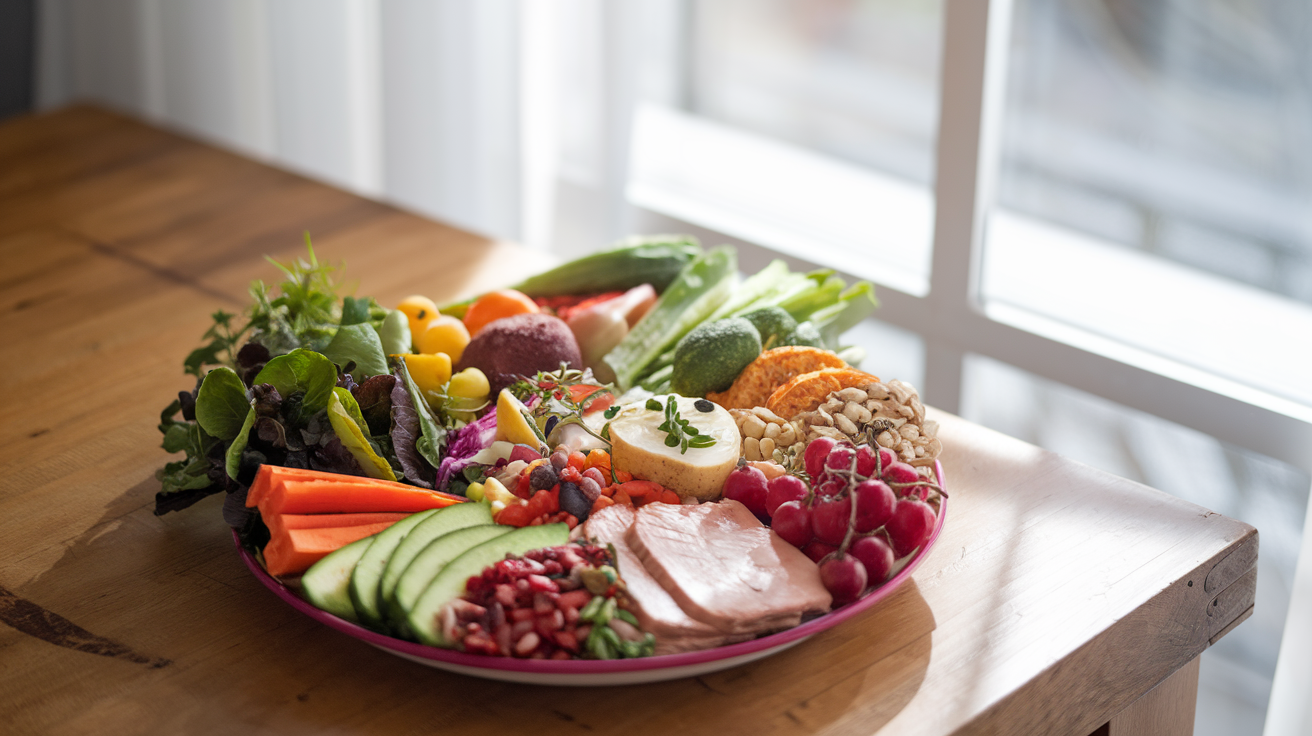
Now that we’ve established the foundations of a healthy lifestyle, it’s time to focus on how nutrition plays a crucial role in maximizing your health potential. Based on groundbreaking research spanning 30 years with over 105,000 participants, we now have compelling evidence about which dietary patterns contribute most significantly to healthy aging and longevity.
Focus on whole foods and nutrient-dense meals
The research clearly indicates that the Alternative Healthy Eating Index (AHEI) shows the strongest connection to healthy aging, with participants following this pattern being 2.24 times more likely to reach age 75 in good health. This approach emphasizes whole, minimally processed foods that provide maximum nutritional value per calorie.
To optimize your nutrition, prioritize:
- A variety of colorful fruits and vegetables
- Whole grains rather than refined carbohydrates
- Nuts and seeds for healthy fats and protein
- Low-fat dairy products for calcium and protein
- Unsaturated fats from sources like olive oil and avocados
These nutrient-dense foods provide essential vitamins, minerals, and phytonutrients that support cellular health and overall wellbeing.
Manage inflammation through dietary choices
The longitudinal study revealed that certain dietary patterns can help manage chronic inflammation, a key factor in many age-related diseases. To reduce inflammation naturally:
- Limit consumption of trans fats, which were negatively correlated with healthy aging
- Reduce intake of red and processed meats
- Minimize highly processed foods with artificial ingredients
- Choose anti-inflammatory foods like berries, fatty fish, and leafy greens
Plant-based diets enriched with healthy animal-based foods showed particularly strong benefits, suggesting that a flexible approach focusing on quality rather than strict dietary rules may be most effective.
Balance blood glucose levels for sustained energy
The research highlighted the importance of blood sugar management for long-term health. Maintaining stable glucose levels supports consistent energy, mood regulation, and reduces risk of metabolic disorders.
Strategies for balancing blood glucose include:
- Limiting sugary beverages, which showed a negative correlation with healthy aging outcomes
- Moderating sodium intake
- Combining carbohydrates with protein and healthy fats to slow digestion
- Choosing low-glycemic foods that cause less dramatic blood sugar spikes
Interestingly, the benefits of these dietary approaches were even more pronounced among women and those with certain lifestyle factors, suggesting that personalized nutrition strategies may provide the greatest benefits.
With these nutritional strategies in place, you’ll be well-positioned to take the next step in your health journey. In the following section, we’ll explore how to incorporate effective physical activity that complements your optimized nutrition plan for even greater health benefits.
Incorporate Effective Physical Activity

Incorporate Effective Physical Activity
Now that we’ve explored how to optimize your nutrition for maximum health, let’s focus on another crucial pillar of a healthy lifestyle: physical activity. Regular exercise isn’t just about looking good—it’s essential for maintaining physical fitness and overall health throughout your life.
Implement walking workouts for accessibility and results
Walking stands out as one of the most accessible yet effective forms of exercise available to almost everyone. This simple activity contributes significantly to weight management, improved cardiovascular health, and enhanced mood. The American Heart Association recommends at least 150 minutes of moderate-intensity aerobic activity each week, which can be achieved through just 30 minutes of walking five days a week.
The beauty of walking is that it requires no special equipment or gym membership—just comfortable shoes and a safe path. Studies indicate that excessive sedentary behavior, like prolonged television viewing, is linked to increased cardiovascular mortality. By incorporating regular walking into your routine, you can counteract these risks and enjoy the benefits of effective physical activity.
Build strength training into your routine
Strength training is often misunderstood as purely a muscle-building activity for athletes or bodybuilders. However, it’s actually essential for everyone, regardless of age or fitness level. Regular strength exercises help maintain muscle strength, aid in weight management, and may even preserve cognitive function as you age.
To get started with strength training:
- Begin with light weights to ensure proper technique
- Gradually increase weight as your strength improves
- Aim for at least two days of strength training per week
- Focus on major muscle groups for balanced development
The progressive nature of strength training helps combat the gradual loss of strength and stamina that occurs with inactivity, supporting the notion that aging-related decline results more from inactivity than the simple passage of time.
Find activities you enjoy for long-term adherence
The key to maintaining physical activity over the long term is finding exercises you genuinely enjoy. Swimming offers an ideal workout for many, especially those with joint issues, as the buoyancy of water alleviates strain on joints. This makes it particularly beneficial for individuals with arthritis while still providing excellent cardiovascular benefits.
Tai chi, often described as “meditation in motion,” provides a gentle way to improve balance and is accessible to people of all ages, particularly older adults. Other benefits of finding enjoyable activities include:
- Boosting energy levels throughout the day
- Managing stress more effectively
- Fostering a positive outlook on life
- Improving sleep quality
- Enhancing self-image and confidence
- Encouraging outdoor activities and connection with nature
The goal is to engage in various enjoyable physical activities for at least 30 minutes daily to maintain an active lifestyle that supports your strongest, healthiest life.
With a consistent physical activity routine in place, you’ll not only strengthen your body but also set the foundation for the next critical aspect of well-being. As we’ll explore in the next section, physical activity directly supports mental and emotional wellness through biochemical pathways and psychological benefits, creating a powerful synergy for your overall health.
Prioritize Mental and Emotional Wellness

Prioritize Mental and Emotional Wellness
Now that we’ve explored how physical activity strengthens your body, it’s equally important to focus on your mental and emotional health. The mind-body connection is powerful—your strongest, healthiest life requires attention to both aspects of wellness.
Develop strategies for managing anxiety and stress
Managing stress and anxiety is essential for your overall health. Consider these practical approaches:
- Set specific self-care goals that address your mental health needs
- Engage with nature regularly through walks, gardening, or simply sitting outdoors
- Check in on your mental health using free online screening tools to track your emotional wellbeing
- Share your mental health story with trusted individuals to reduce stigma and build support
- Practice breathing exercises when feeling overwhelmed to activate your body’s relaxation response
- Establish personal boundaries to protect your emotional energy
- Reflect on your strengths regularly to build resilience and positive self-image
Remember that managing stress isn’t just about feeling better emotionally—chronic stress can contribute to numerous physical health conditions, making stress management a cornerstone of your healthy lifestyle benefits.
Create healthy sleep habits for recovery
Quality sleep is vital for both mental and physical health. Improving your sleep habits can dramatically enhance your overall wellness:
- Practice good sleep hygiene by maintaining consistent bedtimes and wake times
- Create a relaxing space in your bedroom that promotes rest
- Limit screen time before bed to improve sleep quality
- Consider a bedtime routine that signals to your body it’s time to wind down
- Track your sleep patterns to identify areas for improvement
Sleep is your body’s recovery time, allowing for healing and rejuvenation. Prioritizing healthy sleep habits directly supports your journey toward living your strongest, healthiest life.
Practice mindfulness for improved overall health
Mindfulness connects your mental and physical health through present-moment awareness:
- Journal regularly to process emotions and gain clarity
- Express gratitude daily for improved mental outlook
- Try yoga which combines physical activity with mindfulness
- Engage in creative expression through cooking, art, or music
- Practice acceptance of yourself and your circumstances
- Celebrate small wins to acknowledge progress on your wellness journey
Mindfulness practices have been shown to reduce stress, improve focus, and enhance overall wellbeing. By incorporating these strategies into your daily routine, you’ll build a foundation for lasting emotional wellness.
With these mental and emotional wellness strategies in place, you’ll be ready to move forward and build sustainable healthy habits that transform these practices from occasional activities into lifelong patterns for your healthiest life yet.
Build Sustainable Healthy Habits

Build Sustainable Healthy Habits
Now that we’ve explored the importance of mental and emotional wellness for overall health, let’s focus on how to make these healthy practices stick for the long term. Building sustainable habits is what transforms temporary health improvements into a lifestyle that supports longevity and quality of life.
Track Your Progress with Measurable Outcomes
Dr. Eric Topol, a renowned health expert, emphasizes tracking specific health metrics to ensure sustainable progress. For example:
- Sleep quality monitoring: Dr. Topol tracks his sleep patterns, which helped him improve his deep sleep duration significantly. Aim for 7-9 hours of uninterrupted deep sleep each night, which research shows is vital for brain health and overall longevity.
- Dietary intake tracking: Consider monitoring your daily fiber intake, aiming for the recommended 25-30 grams daily. This measurable goal helps ensure you’re consistently benefiting from a Mediterranean-style diet’s advantages.
- Exercise consistency: Track resistance training sessions, aiming for at least three times weekly as Dr. Topol recommends. Measuring progress in strength training has shown concrete benefits including improved bone density and enhanced balance.
Connect with Supportive Communities for Accountability
Research indicates that maintaining social connections is crucial not just for mental health, but also for sustaining healthy lifestyle changes:
- Combat isolation: Studies show that social isolation increases health risks, while regular social interactions promote longevity and adherence to healthy habits.
- Find exercise partners: Dr. Topol’s transition from solo cardio to resistance training might be easier with community support.
- Share healthy meals: Connecting with others who follow similar dietary patterns (like the Mediterranean diet) can reinforce positive eating habits.
Make Gradual Changes that Lead to Lasting Results
The research on longevity clearly indicates that sustainable changes yield better results than dramatic short-term efforts:
- Incremental dietary shifts: Rather than eliminating entire food groups suddenly, gradually reduce ultra-processed foods which are linked to heart disease and Type 2 diabetes.
- Progressive fitness improvements: Begin with manageable physical activity goals, working toward the recommended 150 minutes of moderate activity weekly plus muscle-strengthening exercises.
- Nature integration: Dr. Topol recommends gradually increasing outdoor time as a natural way to enhance mental and physical well-being while reducing stress.
When building sustainable habits, remember that the goal is lifelong health. Life expectancy has increased dramatically from 47 years in 1900 to 77.5 years in 2022, but it’s the quality of those years that matters most. By tracking meaningful outcomes, connecting with supportive communities, and making gradual, consistent changes, you’re not just living longer—you’re creating your strongest, healthiest life yet.

Embarking on a journey toward better health doesn’t require drastic changes overnight. By understanding the foundations of a healthy lifestyle, optimizing your nutrition, incorporating regular physical activity, prioritizing mental wellness, and building sustainable habits, you’re setting yourself up for long-term success. Remember that small, consistent actions—like adding more walking to your daily routine or gradually improving your eating patterns—often lead to the most significant health improvements over time.
Your path to a healthier life is uniquely yours. Whether you’re managing a chronic condition like type 2 diabetes or simply looking to enhance your overall wellbeing, the strategies outlined in this guide can be adapted to your personal circumstances. Connect with supportive communities like Bezzy if you’re dealing with specific health challenges, and always rely on evidence-based information when making decisions about your health. The strongest, healthiest version of yourself isn’t built in a day—it’s cultivated through mindful choices that honor both your physical and emotional needs.