
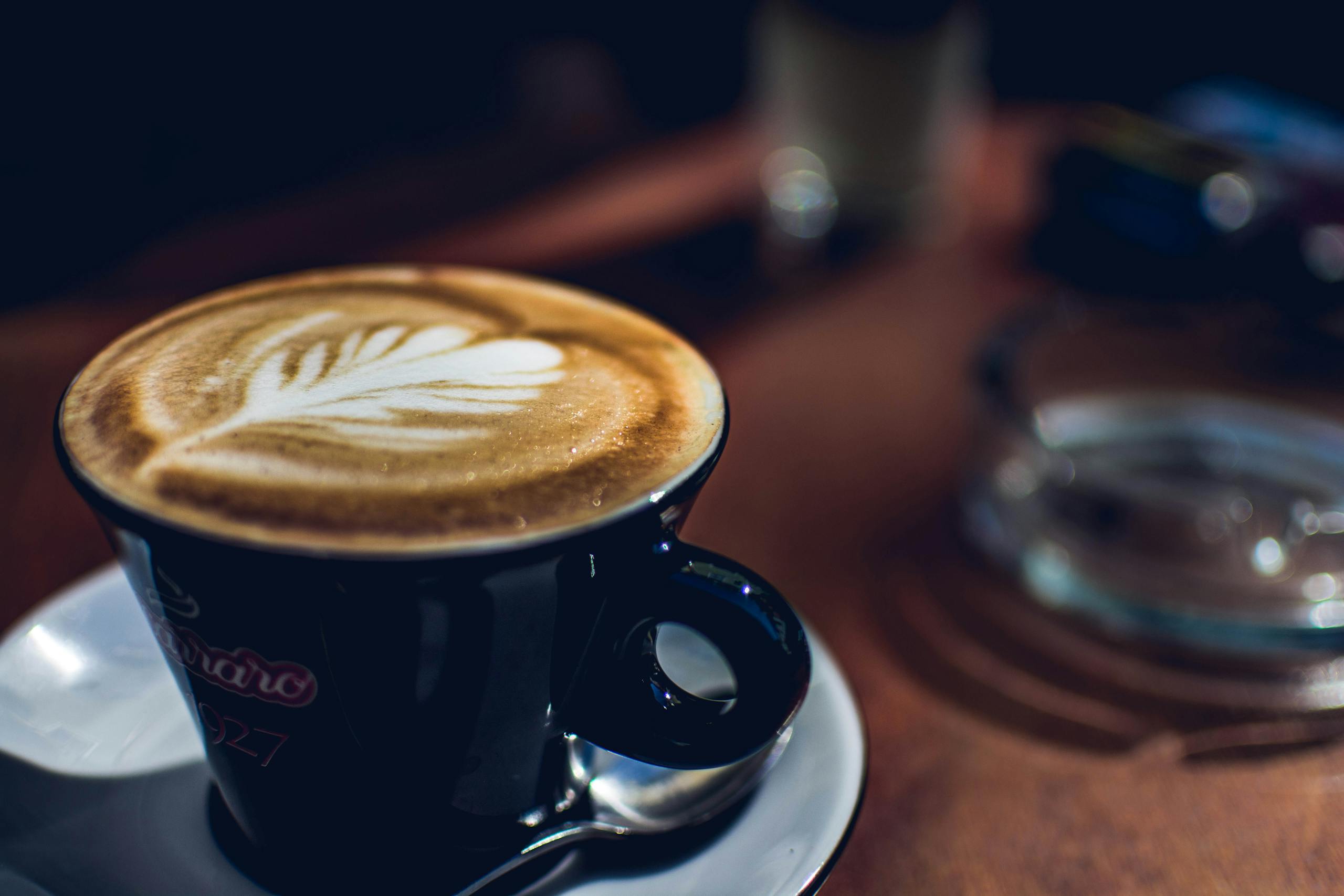
Ever found yourself staring at the ceiling at 2 AM after that “harmless” afternoon coffee? You’re not alone. The average American downs about 200 mg of caffeine daily—roughly the equivalent of two mugs of coffee or five cans of soda.
But what’s really happening when that caffeine hits your bloodstream? Beyond the obvious jolt of energy and increased alertness, your body undergoes a fascinating cascade of chemical reactions.
I’ve spent years researching the effects of caffeine on the human body, and what I’ve discovered might make you think twice about your daily coffee ritual.
From your brain chemistry to your digestive system, caffeine touches nearly every part of your physiology—some in ways you’d never expect.
But here’s what nobody tells you about that morning cup: the impact it has on your heart is just the beginning…
Coffee Nutritional Facts
Nutritional Breakdown: What’s Actually in Your Cup
Ever wondered what’s really in your morning brew beyond that caffeine kick? Coffee isn’t just a stimulant—it’s actually packed with nutrients that might surprise you.
A standard 8-ounce cup of black coffee contains:
| Nutrient | Amount |
|---|---|
| Calories | 2-5 calories |
| Protein | 0.3g |
| Fat | 0g |
| Carbohydrates | 0g |
| Fiber | 0g |
| Sugar | 0g |
Tiny calorie count, right? That’s before you add cream and sugar, of course.
Micronutrient Profile
Coffee delivers more than just caffeine. Your cup comes with:
- Riboflavin (B2): 11% of RDI
- Pantothenic Acid (B5): 6% of RDI
- Manganese and Potassium: 3% of RDI
- Magnesium and Niacin (B3): 2% of RDI
Coffee also contains small amounts of calcium, phosphorus, and zinc.
Antioxidant Powerhouse
Coffee ranks among the top antioxidant sources in the Western diet. A typical cup contains:
- Chlorogenic acids: Powerful polyphenols that fight inflammation
- Cafestol and kahweol: Compounds unique to coffee with potential anti-cancer properties
- Melanoidins: Brown compounds formed during roasting that support gut health
The antioxidant content varies based on brewing method, roast level, and bean origin. Dark roasts typically have less chlorogenic acid but more melanoidins than lighter roasts.
Bottom line? Your daily coffee habit delivers more than just a caffeine fix—it’s a complex brew of nutrients working together in your body.
Benefits of Caffine
Incredible Energy Boost Without the Crash
You know that jolt you feel after your morning coffee? That’s caffeine working its magic. Unlike sugar that sends you soaring then plummeting, caffeine gives you sustained energy that can last 4-6 hours. It blocks adenosine receptors in your brain—those pesky things that make you feel tired—helping you stay alert without the brutal crash later.
Enhanced Mental Performance
Coffee doesn’t just wake you up—it makes you smarter. Studies show caffeine improves reaction time, memory, and overall cognitive function. Many developers and creative professionals swear by their coffee ritual before tackling complex problems. That’s not just habit; it’s science working for them.
Fat Burning and Metabolism Support
Your morning cup actually helps your workout. Caffeine increases your metabolic rate by 3-11%, making it easier to burn fat. That’s why it’s in nearly every pre-workout supplement on the market. Just 1-2 cups before exercise can boost performance by 11-12% on average.
Reduced Risk of Serious Diseases
Coffee drinkers have up to 65% lower risk of developing Alzheimer’s disease, 32-60% lower risk of Parkinson’s, and significant protection against Type 2 diabetes. The antioxidants in coffee (more than in many fruits and vegetables combined) fight inflammation throughout your body, potentially adding years to your life.
Symptoms of Too Much Caffeine
Physical Warning Signs
Ever had your heart suddenly racing after that third cup of coffee? That’s your body waving a red flag. Too much caffeine cranks your heart rate into overdrive and can send your blood pressure climbing. Many people experience jitters or trembling hands – that’s because caffeine is literally overstimulating your nervous system.
The worst part? That anxious, edgy feeling isn’t just in your head. Caffeine triggers your fight-or-flight response, flooding your system with stress hormones even when there’s nothing to stress about.
Digestive Distress
Caffeine doesn’t play nice with your stomach. It increases acid production, which explains why excessive coffee can leave you with heartburn or acid reflux. Some people experience nausea or even vomiting when they’ve gone overboard.
And yes, we need to talk about those urgent bathroom trips. Caffeine speeds up digestive transit time, causing diarrhea for many people who overindulge.
Sleep and Mental Effects
Can’t sleep? Your afternoon coffee might be the culprit. Caffeine has a half-life of 5-6 hours, meaning that cup at 4 PM is still half-strength at 10 PM, potentially derailing your sleep.
Concentration problems, irritability, and headaches are common when you’ve had too much. The crash that follows a caffeine high can leave you feeling more exhausted than before you started drinking it.
For some people, excessive caffeine intake even triggers panic attacks – not worth it for a temporary energy boost.
Tips to Reduce Caffeine Intake
Gradual Reduction is Your Friend
Want to avoid those nasty caffeine withdrawal headaches? Don’t go cold turkey. Cut back slowly by mixing regular coffee with decaf, eventually shifting to full decaf. Your body won’t even notice the switch if you do it gradually over a few weeks.
Switch to Lower-Caffeine Alternatives
Not all caffeinated drinks are created equal. If you’re a coffee junkie, try green tea instead – it has about half the caffeine but still gives you a gentle boost. Here’s how different drinks stack up:
| Beverage | Caffeine Content |
|---|---|
| Coffee (8oz) | 95-200mg |
| Black tea (8oz) | 40-70mg |
| Green tea (8oz) | 25-45mg |
| Decaf coffee (8oz) | 2-15mg |
| Herbal tea | 0mg |
Mind Your Timing
Stop caffeine intake after 2pm. This simple change can dramatically improve your sleep quality since caffeine’s effects on your nervous system can last up to 10 hours. Better sleep means you’ll crave that morning coffee less desperately.
Hydrate Like You Mean It
Sometimes what feels like a caffeine craving is actually thirst. When the urge hits, drink a full glass of water first, then decide if you still want that coffee. This trick alone can cut your consumption by 25%.
Find Your Real Energy Boosters
Coffee isn’t the only way to feel alert. A quick walk, stretching, or even a cold shower can wake up your body more effectively than caffeine—without the jitters or digestive effects. Your circulatory system will thank you.
Frequently Asked Questions
Is caffeine bad for your heart?
Contrary to popular belief, moderate caffeine consumption (about 3-4 cups of coffee daily) isn’t typically harmful to your heart. In fact, some studies suggest it might slightly reduce heart disease risk. That said, if you have existing heart conditions or experience palpitations after your morning joe, it’s worth talking to your doctor. Everyone’s body processes caffeine differently, and what works for your coffee-chugging coworker might not work for you.
How long does caffeine stay in your system?
Caffeine has a half-life of about 5-6 hours in most adults. This means if you down a 200mg caffeine drink at noon, you’ll still have roughly 100mg in your bloodstream by 6pm. That’s why that afternoon coffee can mess with your sleep even hours later. Your age, medications, liver health, and even genetics affect how quickly you metabolize caffeine. Pregnant women often experience a significantly longer caffeine half-life.
Does caffeine cause dehydration?
This myth just won’t die! While caffeine has a mild diuretic effect (making you pee more), the fluid in your coffee or tea more than compensates. Modern research shows that caffeine-containing beverages contribute to your daily hydration needs almost as effectively as water. You’re not “negative hydrating” when drinking your morning coffee.
Can caffeine help with weight loss?
Caffeine might give your metabolism a temporary boost and can suppress appetite briefly, but don’t expect miracles. The effect is modest—about a 3-11% increase in metabolic rate. Coffee and tea can support weight management when they replace high-calorie beverages, but adding syrup, cream, and sugar can quickly outweigh any metabolic benefits. Black coffee has virtually zero calories.
Does caffeine affect sleep quality even if I can fall asleep?
Absolutely. Even if you’re one of those people who can drink espresso and pass out immediately (we’re jealous), caffeine can still reduce your deep sleep phases and overall sleep quality. You might sleep the same number of hours but wake up feeling less rested. For quality sleep, most experts recommend cutting off caffeine at least 8-10 hours before bedtime.
Conclusion
Caffeine impacts your body in numerous ways, from providing an energy boost and enhancing focus to potential benefits for metabolism and exercise performance. However, overconsumption can lead to restlessness, anxiety, digestive issues, and sleep disturbances. Understanding your personal tolerance and recognizing when to cut back is essential for maintaining a healthy relationship with caffeinated beverages.
Whether you enjoy coffee for its rich nutritional profile or simply appreciate the morning ritual, moderation is key. If you’re looking to reduce your caffeine intake, consider gradual reduction, exploring alternatives like herbal teas, or switching to decaf options. Listen to your body’s signals and make adjustments that support your overall wellbeing and health goals.
This was a great reminder that caffeine affects far more than just our energy levels—especially the impact on heart function, which often gets overlooked. I’d love to hear more about how long these physiological effects linger, especially for those of us who drink coffee daily but don’t always feel ‘wired.’