
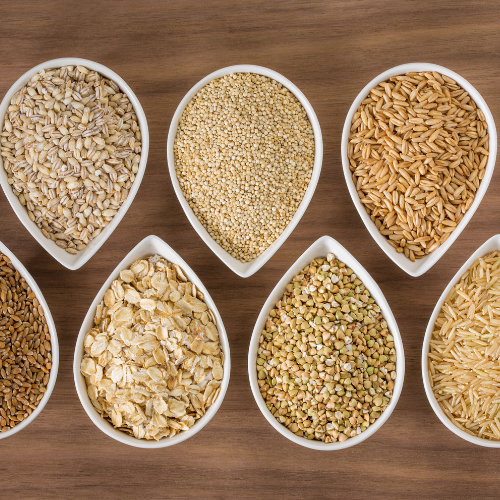
When managing diabetes, whole grains are a fantastic choice for their nutritional benefits and low glycemic impact. Understanding the nutritional content of these grains can help you incorporate them effectively into your diet. Let’s explore ten whole grains that are especially beneficial for those living with diabetes.
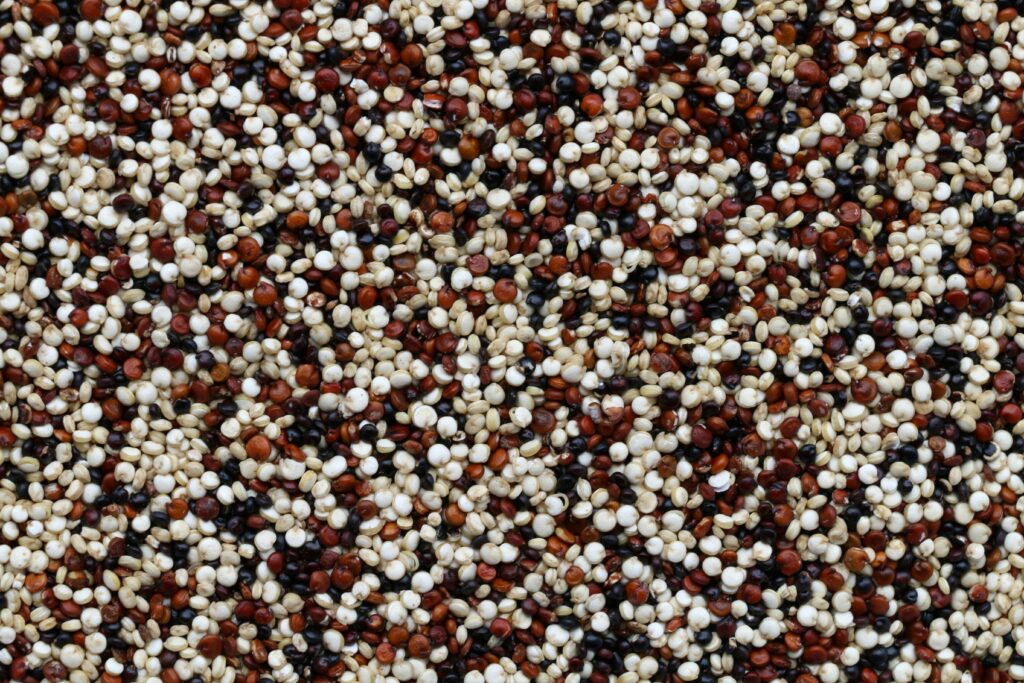
1. Quinoa
Nutritional Highlights:
- Serving Size: 1 cup, cooked
- Calories: 222
- Carbohydrates: 39 grams
- Fiber: 5 grams
- Protein: 8 grams
- Fat: 3.6 grams
- Glycemic Index (GI): Approximately 53
Quinoa is a complete protein, containing all nine essential amino acids. Rich in magnesium, iron, and B-vitamins, it provides a balanced nutrient profile, ideal for stabilizing blood sugar levels.
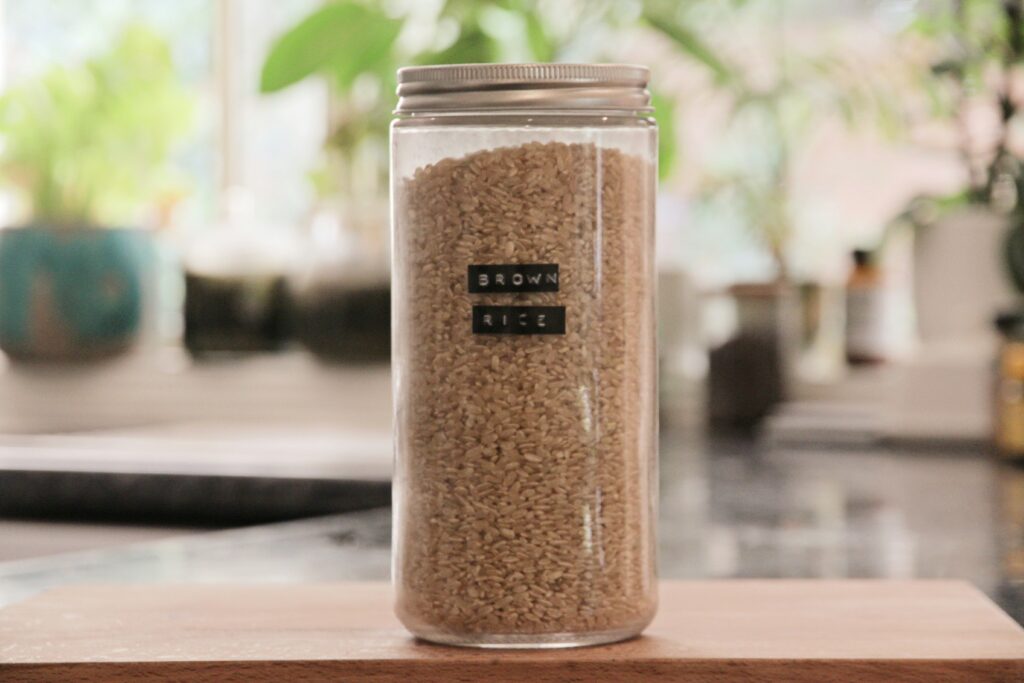
2. Brown Rice
Nutritional Highlights:
- Serving Size: 1 cup, cooked
- Calories: 218
- Carbohydrates: 45 grams
- Fiber: 3.5 grams
- Protein: 5 grams
- Fat: 1.6 grams
- Glycemic Index (GI): Approximately 68
Brown rice retains the nutrient-rich bran and germ that are stripped in white rice processing, offering more vitamins and minerals to support metabolic health.
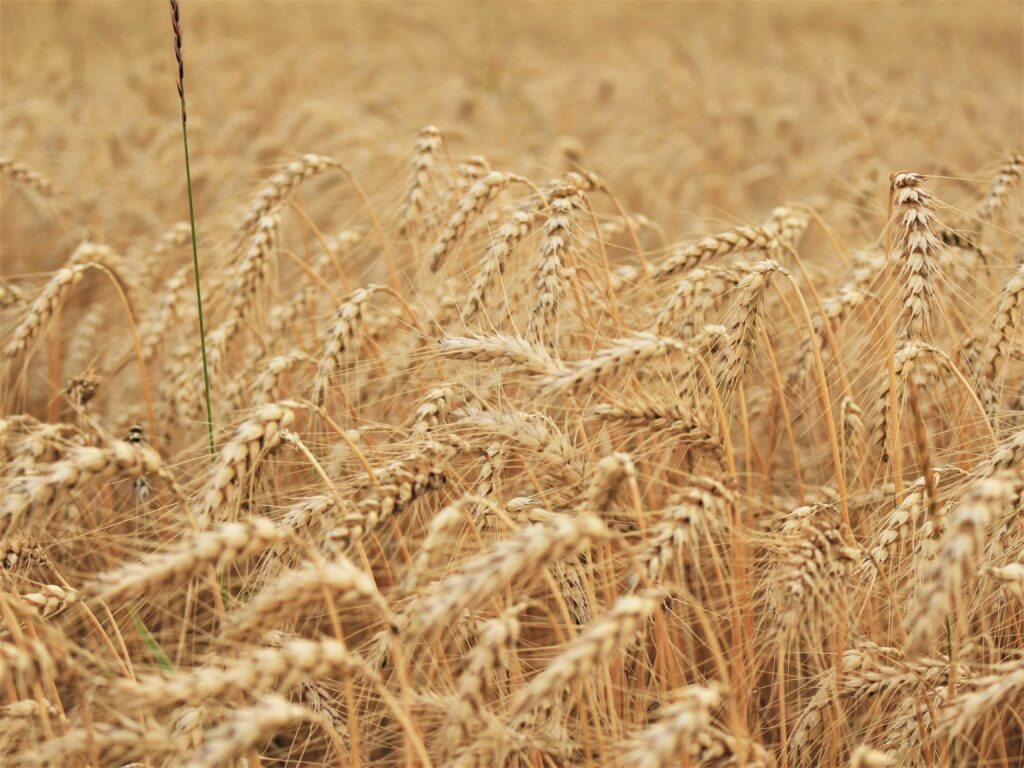
3. Barley
Nutritional Highlights:
- Serving Size: 1 cup, cooked
- Calories: 193
- Carbohydrates: 44 grams
- Fiber: 6 grams
- Protein: 3.5 grams
- Fat: 1 gram
- Glycemic Index (GI): Approximately 28
Barley is particularly high in fiber, especially beta-glucans, which have been shown to improve insulin sensitivity and lower cholesterol levels.
4. Oats
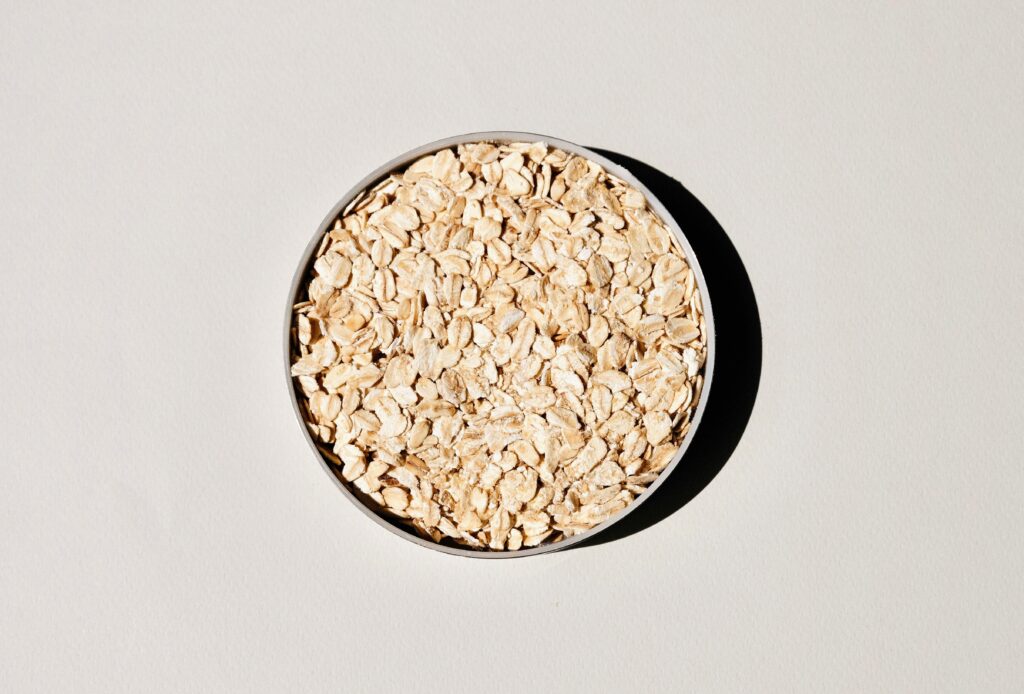
Nutritional Highlights:
- Serving Size: 1 cup, cooked
- Calories: 154
- Carbohydrates: 27 grams
- Fiber: 4 grams
- Protein: 6 grams
- Fat: 3 grams
- Glycemic Index (GI): 50-58 (depending on variety)
Oats are known for their heart health benefits, largely due to their high soluble fiber content, which helps regulate blood glucose and cholesterol.
5. Buckwheat
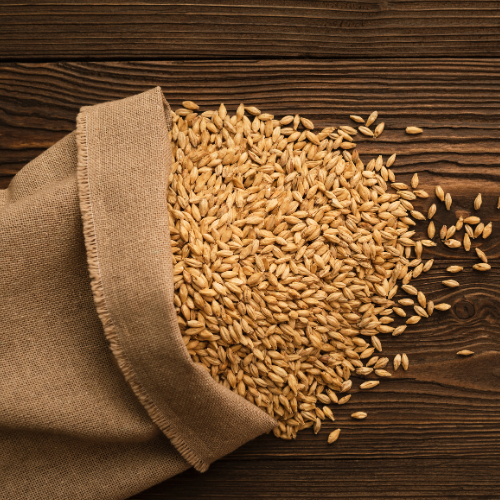
Nutritional Highlights:
- Serving Size: 1 cup, cooked
- Calories: 155
- Carbohydrates: 34 grams
- Fiber: 5 grams
- Protein: 6 grams
- Fat: 1 gram
- Glycemic Index (GI): Approximately 55
Despite its name, buckwheat is gluten-free and a rich source of complex carbohydrates, fiber, and essential amino acids, contributing to slow digestive processes and prolonged satiety.
6. Bulgur
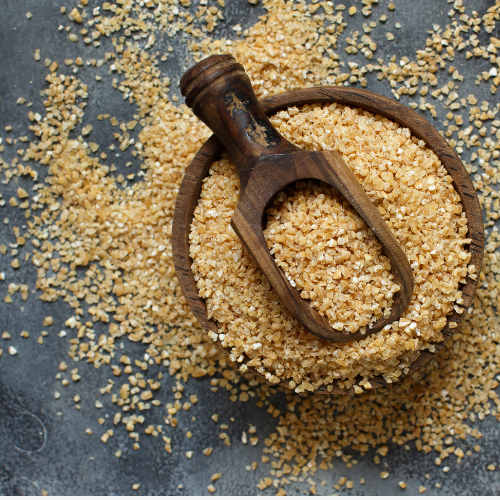
Nutritional Highlights:
- Serving Size: 1 cup, cooked
- Calories: 151
- Carbohydrates: 34 grams
- Fiber: 8 grams
- Protein: 6 grams
- Fat: 0.5 gram
- Glycemic Index (GI): Approximately 48
Bulgur is a form of whole wheat that’s partially cooked, making it easy and quick to prepare. Its high fiber content is effective for maintaining steady blood glucose levels.
7. Freekeh
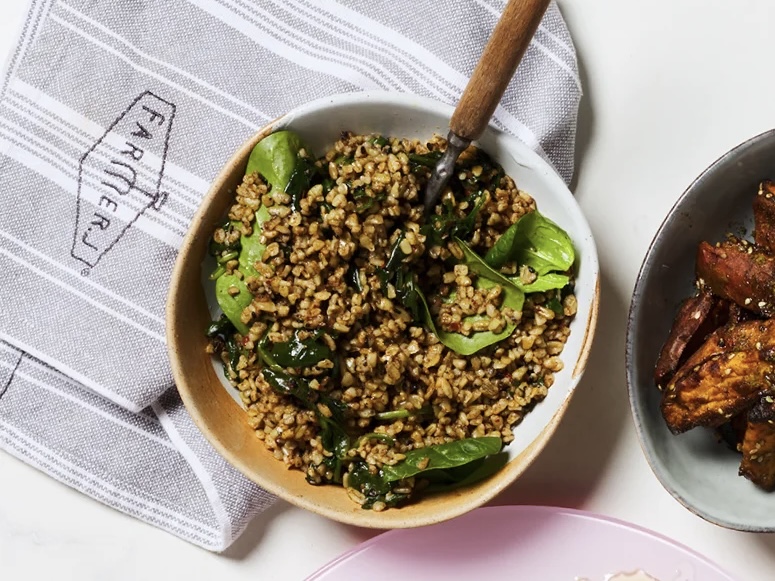
Nutritional Highlights:
- Serving Size: 1 cup, cooked
- Calories: 130
- Carbohydrates: 25 grams
- Fiber: 4 grams
- Protein: 8 grams
- Fat: 1 gram
- Glycemic Index (GI): Approximately 43
Freekeh is harvested while still green, offering more protein and fiber than many other grains, making it excellent for weight management and glucose control.
8. Millet
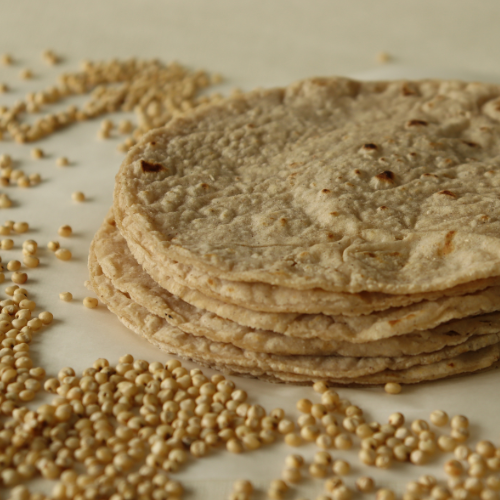
Nutritional Highlights:
- Serving Size: 1 cup, cooked
- Calories: 207
- Carbohydrates: 41 grams
- Fiber: 2.3 grams
- Protein: 6 grams
- Fat: 1.7 grams
- Glycemic Index (GI): Approximately 71
Millet is a nutrient-dense, gluten-free grain with a satisfying taste and texture, high in B-vitamins and magnesium, supporting overall health.
9. Amaranth
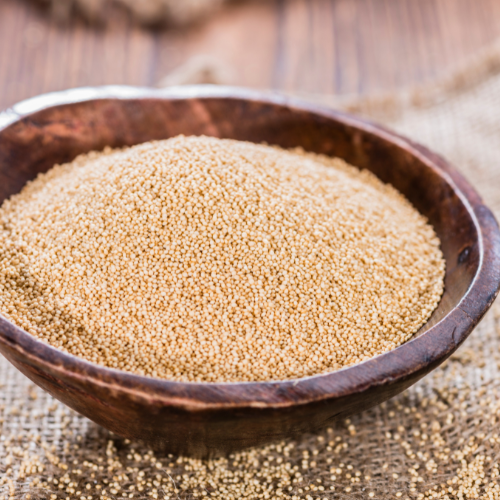
Nutritional Highlights:
- Serving Size: 1 cup, cooked
- Calories: 251
- Carbohydrates: 46 grams
- Fiber: 5 grams
- Protein: 9 grams
- Fat: 4 grams
- Glycemic Index (GI): Approximately 97
Amaranth is another non-wheat grain high in protein and calcium, which contributes to muscle and bone health, crucial for those with diabetes.
10. Teff
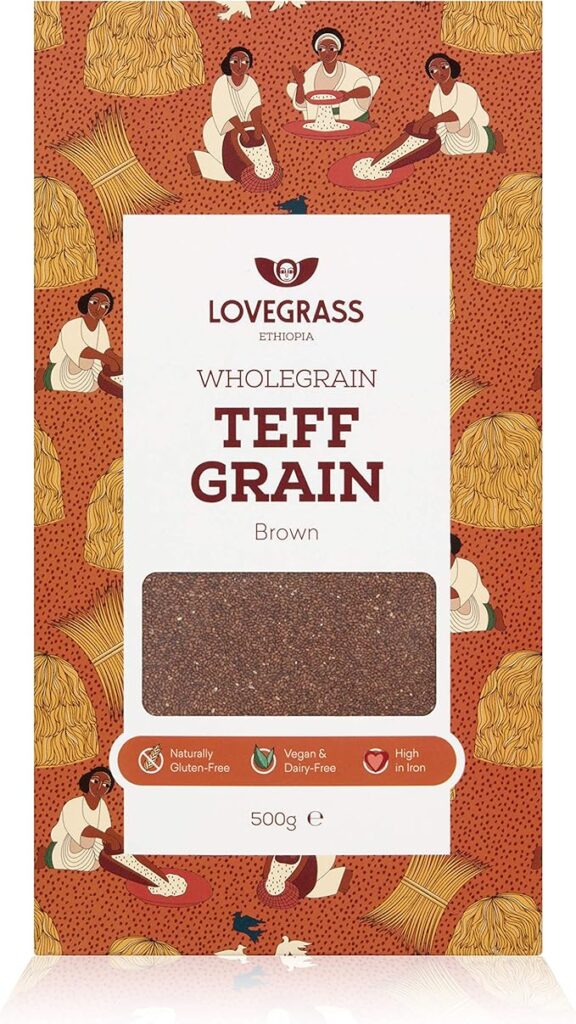
Nutritional Highlights:
- Serving Size: 1 cup, cooked
- Calories: 255
- Carbohydrates: 50 grams
- Fiber: 7 grams
- Protein: 10 grams
- Fat: 2 grams
- Glycemic Index (GI): Approximately 45
Teff is tiny but tough, loaded with iron, calcium, and resistant starch, which promotes gut health and assists in managing blood sugar.
“Including a variety of these whole grains in your diet can help stabilize blood sugar levels and provide essential nutrients, making them a smart choice for those managing diabetes.”
Incorporating these whole grains into your meals not only assists in controlling blood glucose but also supports overall well-being with their rich nutrient profiles. For those managing diabetes or seeking to maintain optimal health, exploring and enjoying these grains can be a fulfilling and rewarding dietary choice.
For further reading on the impact of whole grains on diabetes management, consider resources like the American Diabetes Association and Harvard T.H. Chan School of Public Health.