
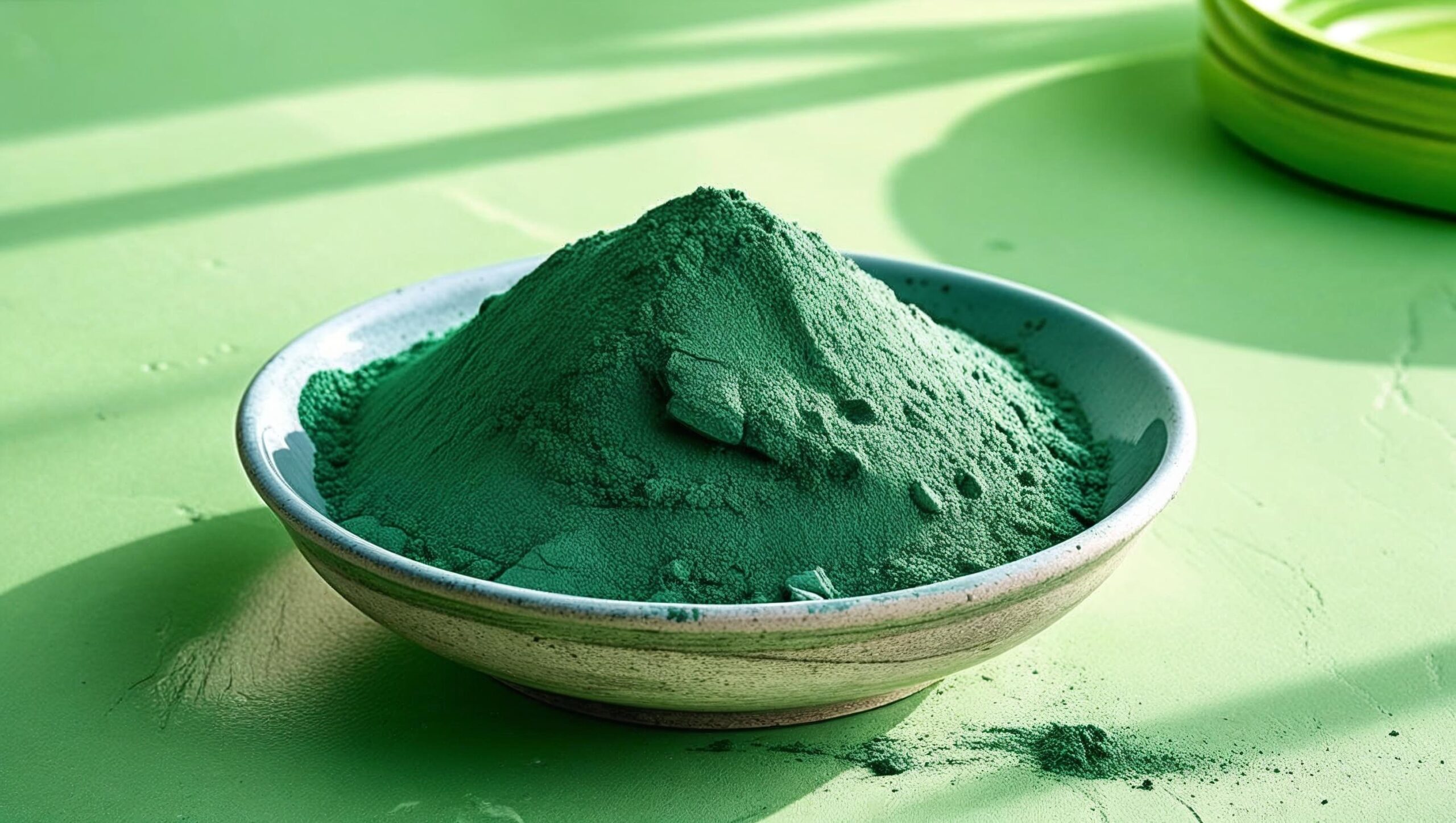
Introduction to Spirulina
Let’s talk spirulina today – the tiny blue-green algae that’s making big waves in the health and wellness world. It is long been dubbed a superfood. There is evidence that this was eaten by the Aztecs for its nutrition. Lately, this wonder product is taken as a supplement by NASA Astronauts on space missions. Lets explore how this remarkable superfood can transform your health!
What is Spirulina?
Spirulina might sound like a fancy Italian pasta, but it’s actually a type of cyanobacteria – a family of single-celled microbes that get their energy through photosynthesis. These tiny organisms grow in both fresh and saltwater, forming spiral-shaped colonies that give spirulina its name. But don’t let its humble origins fool you – this little algae is a nutritional powerhouse that’s been used for centuries as a food source and health supplement.
History and Origin of Spirulina
Ancient Roots
Believe it or not, spirulina has been around since the dawn of time. It’s one of the oldest life forms on Earth, with fossil evidence dating back 3.5 billion years! But its use as a food source is a bit more recent. The Aztecs were known to harvest spirulina from Lake Texcoco in central Mexico, calling it “tecuitlatl” and using it to boost their endurance.
Modern Rediscovery
Fast forward to the 1960s, and spirulina caught the attention of researchers looking for new protein sources to combat world hunger. Since then, it’s been studied extensively for its nutritional benefits and even considered by NASA as a dietary supplement for astronauts on long space missions. Talk about out of this world!
Nutritional Profile of Spirulina
Protein Content
This tiny algae is made up of 60-70% protein by weight, making it one of the most protein-dense foods on the planet. And we’re not talking about just any protein – spirulina contains all nine essential amino acids, making it a complete protein source. Move over, chicken breast!
Vitamins and Minerals
One single tablespoon or 7 grams of spirulina contains 20 calories.
- Protein – 4 grams
- Fat – 1 gram
- Carbohydrates – 2 grams
- Fiber – 0 grams
- Sugar – 0 grams
Spirulina is like a natural multivitamin and is packed with essential nutrients, including:
- Vitamin B1 (Thiamin)
- Vitamin B2 (Riboflavin)
- Vitamin B3 (Niacin)
- Copper
- Iron
- Magnesium
- Potassium
- Manganese
Just a small amount of spirulina can help you meet your daily requirements for these vital nutrients.
Antioxidants
As if that wasn’t enough, spirulina is also a potent source of antioxidants. Its star player is phycocyanin, a unique antioxidant that gives spirulina its distinctive blue-green color. This powerful compound helps protect your cells from damage and reduce inflammation throughout your body.
Health Benefits of Spirulina
Boosting Immune System
Want to give your immune system a helping hand? Spirulina might be just what the doctor ordered. Studies have shown that spirulina can increase the production of antibodies and other cells that fight infection and disease. It’s like having a personal army of tiny health defenders!
Improving Heart Health
Your heart will thank you for adding spirulina to your diet. Research suggests that this superfood can help lower “bad” LDL cholesterol and triglycerides while increasing “good” HDL cholesterol. It may also help reduce blood pressure, giving your cardiovascular system an all-around boost.
Enhancing Athletic Performance
Attention, sports fans! Spirulina could be your secret weapon for athletic success. Its high protein content and antioxidant properties can help reduce exercise-induced oxidative damage, allowing you to train harder and recover faster. Plus, its iron content can help prevent anemia, a common issue for athletes.
Supporting Weight Loss
If you’re watching your waistline, spirulina could be a valuable ally. Its high protein content can help you feel fuller for longer, reducing overall calorie intake. Some studies have also suggested that spirulina may help boost metabolism, making it easier to shed those extra pounds.
Detoxifying the Body
In our modern world, we’re exposed to all sorts of toxins daily. Spirulina acts like a natural detox, helping to remove heavy metals and other harmful substances from your body. It’s like a mini clean-up crew working tirelessly to keep you healthy!
How to Incorporate Spirulina into Your Diet
Powder Form
One of the easiest ways to add spirulina to your diet is in powder form. You can mix it into smoothies, sprinkle it on salads, or even add it to homemade energy bars. Start with a small amount (like 1/2 teaspoon) and gradually increase as you get used to the taste.
Tablet Form
If you’re not a fan of the taste or smell of spirulina (it can be a bit… oceanic), tablets might be the way to go. They’re convenient, easy to take, and allow you to get your daily dose without any fuss.
Recipes and Ideas
Get creative with your spirulina! Try adding it to:
- Green juices or smoothies
- Homemade pesto
- Guacamole
- Energy balls
- Salad dressings
The possibilities are endless, and you’ll be reaping the health benefits with every bite!
Potential Side Effects and Precautions
While spirulina is generally safe for most people, it’s always wise to exercise caution. Some potential side effects include:
- Nausea and stomach discomfort
- Headaches
- Allergic reactions (especially if you’re allergic to seafood or other algae)
If you’re pregnant, breastfeeding, or have an autoimmune condition, it’s best to consult with your healthcare provider before adding spirulina to your diet.
Sustainability and Environmental Impact
Here’s some food for thought: spirulina isn’t just good for you; it’s good for the planet too! It requires less water and land to produce than many other protein sources, making it a sustainable choice for our growing population. Plus, it can be grown in areas where traditional agriculture is challenging, potentially helping to address food security issues worldwide.
Conclusion
Spirulina truly is a superfood that has the potential to transform your health. From its impressive nutritional profile to its wide-ranging health benefits, this tiny algae packs a powerful punch. Whether you’re looking to boost your immune system, improve your heart health, enhance your athletic performance, or simply add more nutrients to your diet, spirulina has got you covered. So why not give this blue-green wonder a try? Your body (and the planet) will thank you!
FAQs
- Q: How much spirulina should I take daily?
A: The recommended daily dose typically ranges from 1-3 grams, but it’s best to start with a smaller amount and gradually increase. - Q: Can spirulina replace my multivitamin supplement?
A: While spirulina is nutrient-dense, it’s not a complete replacement for a multivitamin. Consult with a healthcare professional for personalized advice. - Q: Is spirulina safe for children?
A: Spirulina can be safe for children in small amounts, but it’s best to consult with a pediatrician before adding it to a child’s diet. - Q: Can spirulina help with allergies?
A: Some studies suggest that spirulina may help reduce allergy symptoms, but more research is needed in this area. - Q: How long does it take to see benefits from taking spirulina?
A: This can vary depending on the individual and the specific benefit you’re looking for. Some people report feeling more energized within a few days, while other benefits may take weeks or months to become noticeable.