
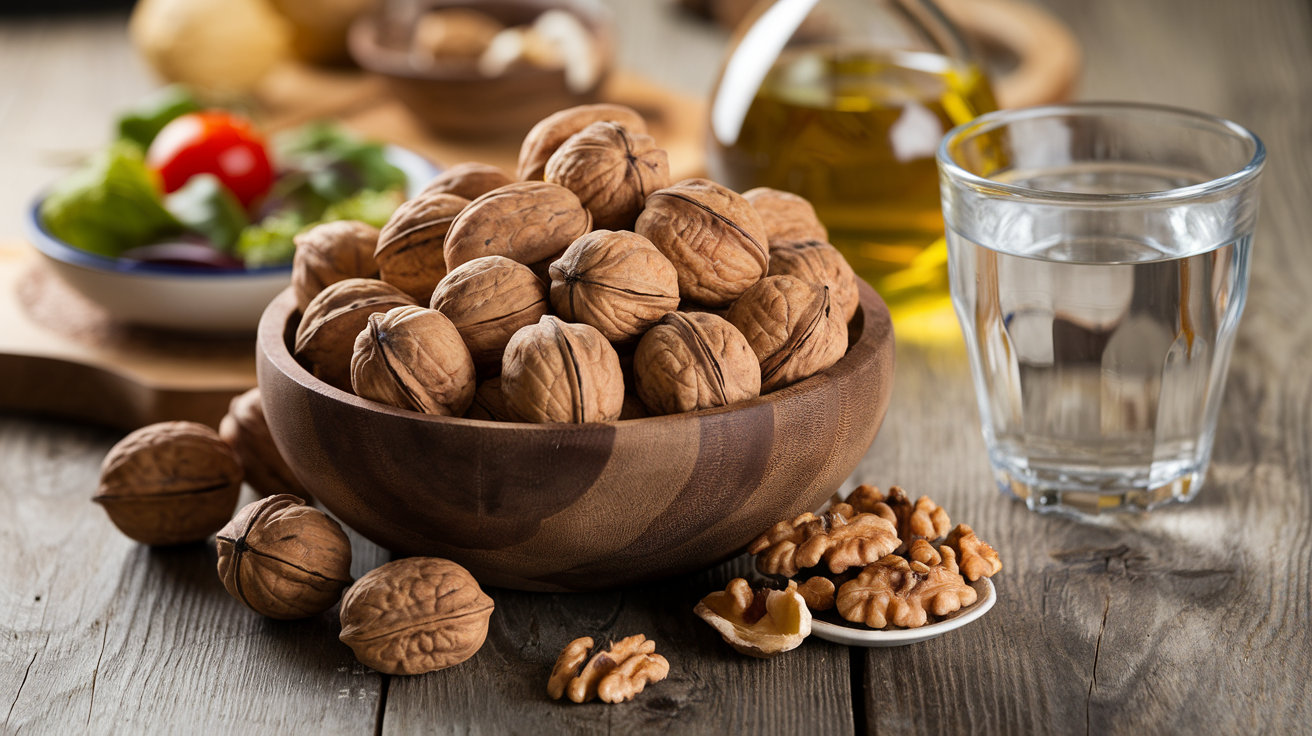
Did you know that something as simple as a handful of walnuts could transform your health? Those unassuming brain-shaped nuts sitting in your pantry might be one of nature’s most powerful superfoods. While many of us reach for expensive supplements and trendy health products, the humble walnut quietly offers an impressive array of benefits that affect everything from your heart to your brain.
Imagine improving your heart health, boosting your cognitive function, and even potentially reducing cancer risk—all with a single daily habit. Research shows that adding just one ounce of walnuts to your daily routine can significantly impact your well-being. Rich in omega-3 fatty acids, protein, fiber, and powerful antioxidants, these nutrient powerhouses pack a punch far beyond their size.
In this article, we’ll explore the remarkable transformations your body undergoes when you consume walnuts daily—from protecting your cardiovascular system and enhancing brain function to improving sleep quality and reducing disease risk. We’ll also share practical, delicious ways to incorporate these nutritional gems into your everyday meals. Ready to discover how this simple habit could change your health trajectory? Let’s crack open the science behind walnuts’ impressive benefits.
Heart Health Benefits of Daily Walnut Consumption
Rich in Omega-3 Fatty Acids for Cardiovascular Protection
When you consume a handful of walnuts daily, you’re giving your heart a powerful shield. Walnuts stand out among nuts for their exceptionally high omega-3 fatty acid content. These essential fatty acids play a crucial role in reducing inflammation linked to heart disease and improving your overall cardiovascular health.
Research indicates that regularly eating walnuts can help lower your bad cholesterol levels (LDL). In fact, a study published in the American Heart Association’s journal Circulation found that participants who consumed about half a cup of walnuts daily for two years experienced an average reduction of 4.3 mg/dL in their LDL cholesterol. Men saw even more significant benefits with a 7.9% decrease compared to 2.6% in women.
Beyond just lowering LDL cholesterol, walnuts also decrease both total LDL particles and small LDL particles, which are more closely associated with atherosclerosis. Additionally, the study noted reductions in intermediate-density lipoprotein (IDL) cholesterol, another important cardiovascular risk factor.
Connection to Mediterranean Diet and Heart Disease Prevention
Walnuts align perfectly with the principles of the Mediterranean diet, widely recognized for its heart-protective qualities. By incorporating walnuts into your balanced diet, you’re adopting an element of this heart-healthy eating pattern.
The cardiovascular benefits of walnuts extend beyond just their omega-3 content. They’re also rich in plant sterols and L-arginine, both of which contribute to improved heart health. These compounds help maintain healthy artery function and reduce blood clot risks, key factors in preventing heart disease.
Potential for Reducing Stroke Risk
Adding walnuts to your daily diet may significantly lower your risk of stroke. Their unique nutritional profile helps reduce high blood pressure, a major stroke risk factor. The improvements in artery health and reduction in inflammation that come from regular walnut consumption translate directly to decreased chances of experiencing blood clots that can lead to strokes.
The Mayo Clinic emphasizes that consuming nuts like walnuts can decrease the likelihood of premature death from heart disease. However, moderation remains important – experts recommend about 4 to 6 servings of unsalted nuts weekly for adults to maximize benefits without excess calorie intake.
Now that we’ve explored how walnuts can protect your heart, let’s examine the comprehensive Nutritional Profile of Walnuts to understand what makes these tree nuts such powerful health allies.
Nutritional Profile of Walnuts
Now that we’ve explored how walnuts can benefit your heart, let’s examine exactly what makes these nuts such a nutritional powerhouse. Understanding the nutritional profile of walnuts helps explain why they deliver such impressive health benefits.
Protein and Fiber Content
When you consume a handful of walnuts daily, you’re providing your body with an impressive amount of both protein and fiber. With 15.2 grams of protein per 100 grams (about 30% of your daily value), walnuts help support muscle maintenance and growth. A standard serving of walnuts (about 28.35 grams or 14 halves) delivers nearly 4 grams of carbohydrates, with a significant portion being dietary fiber (6.7 grams per 100 grams). This fiber is predominantly insoluble (75%) with some soluble fiber (25%), supporting digestive health and helping you feel fuller longer.
Overall Diet Quality Enhancement
Adding walnuts to your daily diet can significantly improve your overall nutritional intake. While walnuts are calorie-dense (654 calories per 100 grams), they primarily derive these calories from healthy fats rather than simple sugars or starches. Walnuts contain minimal amounts of sucrose and negligible levels of glucose and fructose, making them suitable for low-carb dietary approaches, including ketogenic diets. Their low sodium and cholesterol content aligns perfectly with health guidelines recommending reduced intake of these nutrients.
Addressing Common Nutrient Deficiencies
You might be surprised to learn that regular walnut consumption can help address several common nutrient deficiencies. These nuts are particularly rich in essential minerals, providing significant amounts of magnesium and phosphorus. Most impressively, walnuts deliver 176% of your daily copper needs and 148% of your daily manganese requirements per 100 grams. They also contain valuable vitamin B6, which supports numerous bodily functions. By incorporating a handful of walnuts into your daily routine, you’re efficiently addressing potential nutrient gaps in a convenient, natural food source.
With this comprehensive nutritional profile in mind, next we’ll explore how the nutrients in walnuts specifically support brain health and cognitive function improvements.
Cognitive Function Improvements
Now that we’ve explored the impressive nutritional profile of walnuts, let’s examine how these nutrient-dense nuts can actually enhance your cognitive function when consumed regularly.
A. Impact on Reaction Time and Memory Recall
Research shows that incorporating walnuts into your daily diet can significantly improve your cognitive abilities. Studies have demonstrated that walnut consumption enhances reaction times, particularly on executive function tasks. What’s fascinating is how walnuts affect your memory – while there might be an initial dip in memory performance shortly after eating them, the benefits become apparent about six hours post-consumption. This delayed enhancement in memory recall suggests that the brain-boosting properties of walnuts take time to fully activate in your system.
Brain activity measurements have revealed distinct patterns associated with attention and memory processing when you consume walnuts, indicating heightened mental engagement. These cognitive improvements are particularly relevant if you’re facing mentally demanding tasks later in the day.
B. Benefits of Morning Consumption
Starting your day with walnuts can set you up for cognitive success. A study from the University of Reading found that participants who consumed 50 grams of crushed walnuts mixed into breakfast foods experienced improved reaction times throughout the day. Blood analyses showed higher glucose levels and lower fatty acids following walnut consumption, which may contribute to sustained cognitive performance during challenging mental tasks.
If you’re looking to optimize your brain function, consider adding walnuts to your breakfast routine. The timing matters – while you might not feel immediate effects, your cognitive performance could peak several hours after your morning walnut intake.
C. Role of Antioxidants in Brain Health
The powerful cognitive benefits of walnuts stem largely from their rich antioxidant content. As you age, oxidative stress and neuroinflammation contribute significantly to cognitive decline, mild cognitive impairment (MCI), and Alzheimer’s disease. Walnuts’ antioxidants, including flavonoids, and their omega-3 fatty acids work together to lower oxidative stress and inflammation in your brain.
These compounds have shown anti-amyloidogenic properties, helping to inhibit the formation of harmful amyloid beta protein fibrils that contribute to neurodegeneration. By protecting your brain against oxidative damage, walnuts may help delay cognitive decline and reduce your risk of dementia as you age.
With these cognitive function improvements in mind, next we’ll explore how daily walnut consumption can also enhance your sleep quality – another crucial factor in maintaining optimal brain health.
Sleep Quality Enhancement
Now that we’ve explored how walnuts can boost your cognitive function, let’s examine another surprising benefit: how they can help you get better sleep.
Natural Melatonin Content
While you might not immediately associate walnuts with sleep, these nutritional powerhouses contain melatonin—often called the “sleep hormone.” Melatonin regulates your sleep-wake cycle, signaling to your body when it’s time to rest. Though walnuts contain relatively lower levels of melatonin compared to some other foods like tart cherries or pistachios, even small increases in melatonin can positively affect your sleep patterns.
Walnuts also provide tryptophan, an amino acid that contributes to the production of both serotonin and melatonin in your body. Along with this, they deliver magnesium, which helps calm your nervous system, preparing you for sleep. This unique nutritional profile makes walnuts stand out among other nuts for sleep enhancement.
How Walnuts Signal the Body to Prepare for Rest
When you consume walnuts, especially in the evening, you’re giving your body several sleep-promoting nutrients at once. Research has shown mixed but promising results regarding walnuts and sleep quality. In one study, college students reported better sleep quality after regular walnut consumption.
The omega-3 fatty acids in walnuts may enhance your sleep by reducing inflammation, creating optimal conditions for rest. For best results, try consuming about one ounce of walnuts 1-2 hours before bedtime. You might add them to a light evening snack or incorporate them into your dinner.
It’s worth noting that walnuts work best as part of a comprehensive approach to sleep improvement. While they provide valuable nutrients, they’re most effective when combined with good sleep hygiene practices like maintaining a consistent sleep schedule and creating a relaxing bedroom environment.
With these sleep benefits in mind, next we’ll explore how daily walnut consumption might help reduce your cancer risk through their unique protective properties.
Cancer Risk Reduction Properties
Now that we’ve explored how walnuts can enhance your sleep quality, let’s examine another remarkable benefit: their potential to reduce cancer risk.
A. Potential Effects on Prostate Cancer
Research suggests that your daily handful of walnuts might play a role in reducing prostate cancer risk. The unique compounds found in walnuts, particularly gamma-tocopherol (a form of vitamin E), appear to have stronger anti-inflammatory effects than other forms of vitamin E. These anti-inflammatory properties may help inhibit the development and progression of hormone-responsive cancers like prostate cancer. Animal studies have shown promising results, with walnuts potentially reducing tumor growth in prostate cancer models.
B. Benefits for Colorectal and Breast Cancer Risk
When you consume walnuts daily, your body benefits from ellagitannins—polyphenol compounds that your gut microbiome metabolizes into urolithins, especially urolithin A. Clinical trials have revealed that higher urolithin A levels are associated with increased serum levels of peptide YY, which is linked to colorectal cancer inhibition. Dr. Daniel W. Rosenberg’s research at UConn School of Medicine demonstrated that walnut consumption correlates with reduced inflammatory markers in individuals at elevated risk for colon cancer.
Additionally, studies suggest that walnuts may help reduce tumor growth in breast cancer models. The combination of ellagitannins, gamma-tocopherol, and melatonin in walnuts may work synergistically to combat oxidative stress, inflammation, and gene expression linked to cancer development.
C. Limitations and Complementary Role to Medical Treatment
While the evidence is promising, it’s important to understand that walnuts are not a cancer cure. The American Institute for Cancer Research (AICR) notes that there is insufficient evidence to conclusively link walnut consumption to reduced cancer risk in humans. However, broader research indicates that higher nut consumption generally correlates with lower overall cancer risk, particularly for colorectal and endometrial cancers.
You should view walnuts as a complementary component of a healthy lifestyle rather than a replacement for medical treatment. They offer minimal risks while potentially providing significant long-term health benefits as part of your daily diet.
With these cancer-protective properties in mind, next we’ll explore practical and delicious ways to incorporate walnuts into your daily diet, making it easy to enjoy these powerful nuts consistently.
Practical Ways to Include Walnuts in Your Diet
Now that we’ve explored how walnuts may help reduce cancer risks, let’s discover practical ways to incorporate these nutritious nuts into your daily diet.
Raw Consumption Options
The simplest way to enjoy walnuts is to eat them raw. Keep a small container of walnuts at your desk or in your bag for a quick, nutritious snack throughout the day. For a delightful treat, try making candied walnuts by coating them with honey – these make perfect homemade gifts and satisfy sweet cravings while delivering health benefits.
Adding to Meals and Snacks
Walnuts can enhance almost any meal:
- Breakfast: Add them to your Apple Cinnamon Oatmeal or try Walnut Brownie Baked Oatmeal for a healthy start that tastes like a treat
- Salads: The classic Waldorf Salad combines walnuts with apples, celery, and grapes, while an Apple Walnut Salad with blue cheese and cranberries makes a refreshing fall side dish
- Main Dishes: Toast walnuts to use as stuffing in parathas and sandwiches, or try Honey Walnut Shrimp for a homemade version of a popular takeout dish
- Desserts: Incorporate walnuts into Walnut Chocolate Chip Cookies, Maple Walnut Pie, or Pear Galette with Walnut Crust
You can also blend walnuts into smoothies with milk or yogurt, honey, and your favorite fruits for a protein-rich beverage.
Flavoring and Roasting Techniques
Elevate your walnut experience with these techniques:
- Create a homemade walnut chutney or dip by combining roasted walnuts with garlic, ginger, lemon juice, oil, and seasoning
- Make Fancy Roasted Cocktail Nuts by mixing walnuts with other nuts and spices for a flavorful party snack
- Prepare Brussels Sprouts with Balsamic Reduction and toasted walnuts for a tangy vegetable dish
- Use walnuts in baking to add texture and nutrition to treats like Coffee and Walnut Cupcakes or Walnut Bundt Cake

By incorporating walnuts into your meals in these creative ways, you’ll not only enhance the flavor of your food but also boost your daily nutrition intake with all the health benefits walnuts have to offer.
Adding a handful of walnuts to your daily diet can transform your health in remarkable ways. These nutrient-packed nuts support heart health through their omega-3 fatty acids, enhance cognitive function, improve sleep quality with natural melatonin, and may even reduce cancer risk. With their impressive protein and fiber content, walnuts address nutrient deficiencies while boosting overall diet quality.
Consider incorporating walnuts into your meals today—whether sprinkled on salads, blended into smoothies, or enjoyed as a simple snack. The versatility of walnuts makes them an easy addition to your dietary routine. Your body will thank you for this small yet powerful change that delivers substantial benefits for your immediate wellbeing and long-term health.