
Supercharge Your Diet: 8 Foods for Optimal Protein and Fiber Intake
Table of Contents
Introduction
Maintaining a balanced diet can be challenging, especially when it comes to meeting your daily protein and fiber goals. However, with the right food choices, you can easily boost your intake of these essential nutrients. In this article, we’ll explore 8 foods that are excellent sources of both protein and fiber, helping you achieve your nutritional targets with ease.
Why Protein and Fiber Matter
Before diving into our list of foods, let’s briefly discuss why protein and fiber are crucial for your health:
- Protein: Essential for building and repairing tissues, supporting immune function, and maintaining muscle mass. It also helps you feel full and satisfied after meals.
- Fiber: Aids in digestion, promotes regular bowel movements, helps control blood sugar levels, and contributes to feelings of fullness.
By incorporating foods that are rich in both protein and fiber, you can maximize the nutritional value of your meals while supporting your overall health and well-being.
8 Foods Rich in Protein and Fiber
1. Lentils
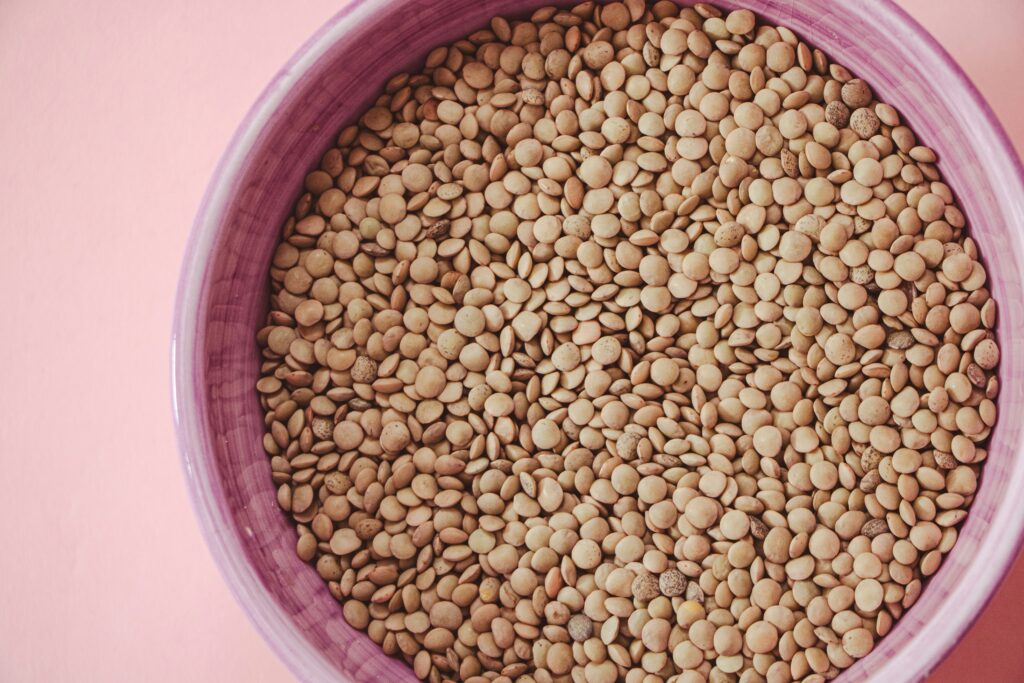
Lentils are a powerhouse of nutrition, offering an impressive combination of protein and fiber. One cup of cooked lentils provides:
- Protein: 18 grams
- Fiber: 15 grams
Lentils are versatile and can be used in soups, salads, or as a meat substitute in various dishes. They’re also rich in iron, folate, and other essential nutrients.
Serving size tip: Aim for 1/2 to 1 cup of cooked lentils per serving.
2. Quinoa
Often referred to as a “superfood,” quinoa is a complete protein source that also packs a significant fiber punch. One cup of cooked quinoa contains:
- Protein: 8 grams
- Fiber: 5 grams
Quinoa can be used as a base for salads, added to soups, or served as a side dish. It’s also gluten-free, making it an excellent option for those with celiac disease or gluten sensitivity.
Serving size tip: A typical serving is about 1/2 to 3/4 cup of cooked quinoa.
3. Greek Yogurt

While Greek yogurt is primarily known for its high protein content, some varieties also contain a decent amount of fiber. A 6-ounce serving of Greek yogurt with added fiber can provide:
- Protein: 15-20 grams
- Fiber: 3-5 grams (varies by brand)
Look for Greek yogurt brands that specifically add fiber to their products. You can enjoy Greek yogurt on its own, use it as a base for smoothies, or incorporate it into savory dishes.
Serving size tip: Stick to a 6-ounce serving of Greek yogurt.
4. Almonds
Almonds are a nutritious snack that offers both protein and fiber. A 1-ounce serving (about 23 almonds) contains:
- Protein: 6 grams
- Fiber: 3.5 grams
Almonds are great for snacking, adding to salads, or incorporating into baked goods. They’re also rich in healthy fats and vitamin E.
Serving size tip: Limit yourself to 1-2 ounces of almonds per day due to their high calorie content.
5. Chickpeas
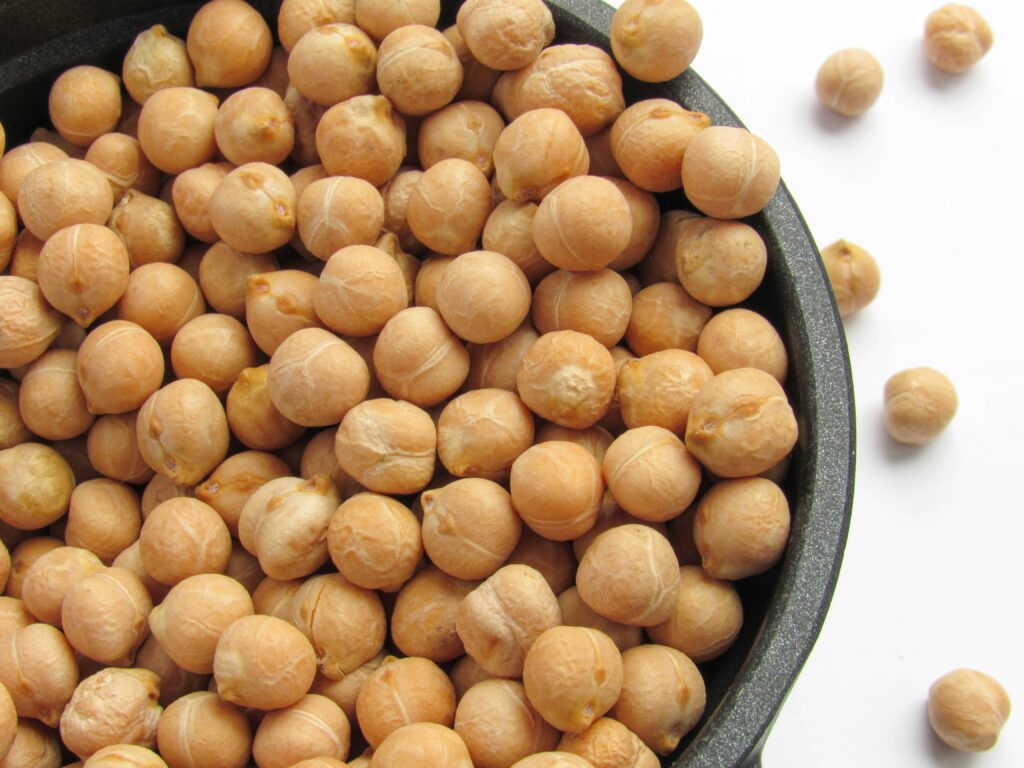
Also known as garbanzo beans, chickpeas are a fantastic source of both protein and fiber. One cup of cooked chickpeas provides:
- Protein: 15 grams
- Fiber: 12 grams
Chickpeas can be used in salads, soups, or mashed to make hummus. They’re also rich in folate, iron, and phosphorus.
Serving size tip: Aim for 1/2 to 1 cup of cooked chickpeas per serving.
6. Edamame
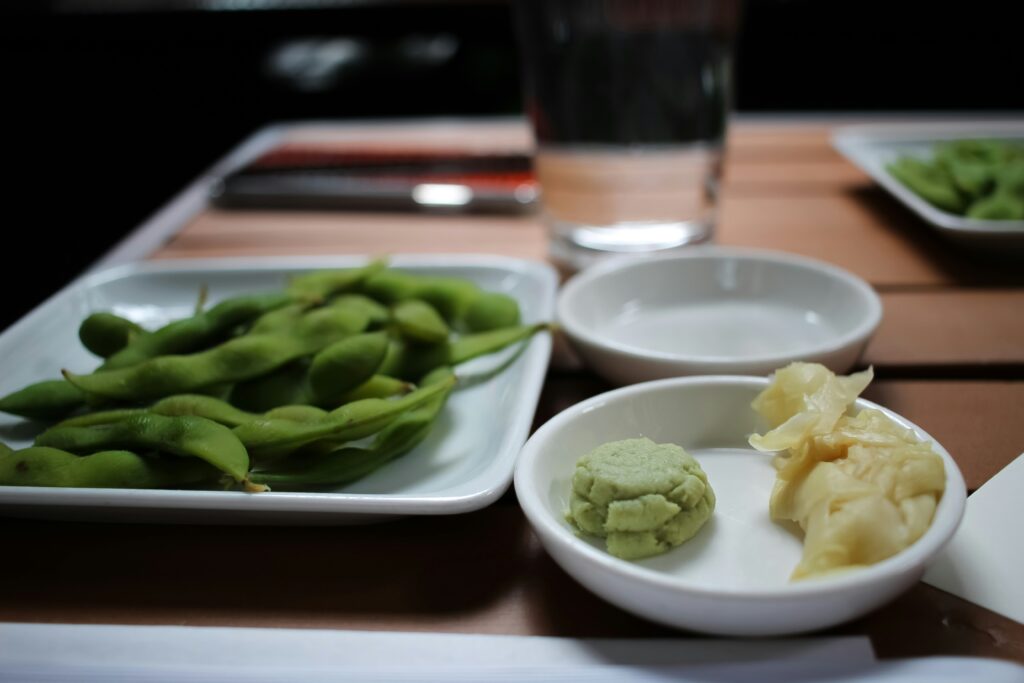
Edamame, or immature soybeans, are a protein-rich legume that also offers a good amount of fiber. One cup of cooked edamame contains:
- Protein: 18 grams
- Fiber: 8 grams
Edamame can be enjoyed as a snack, added to salads, or incorporated into stir-fries. They’re also a good source of folate and vitamin K.
Serving size tip: A typical serving is about 1/2 to 1 cup of cooked edamame.
7. Chia Seeds
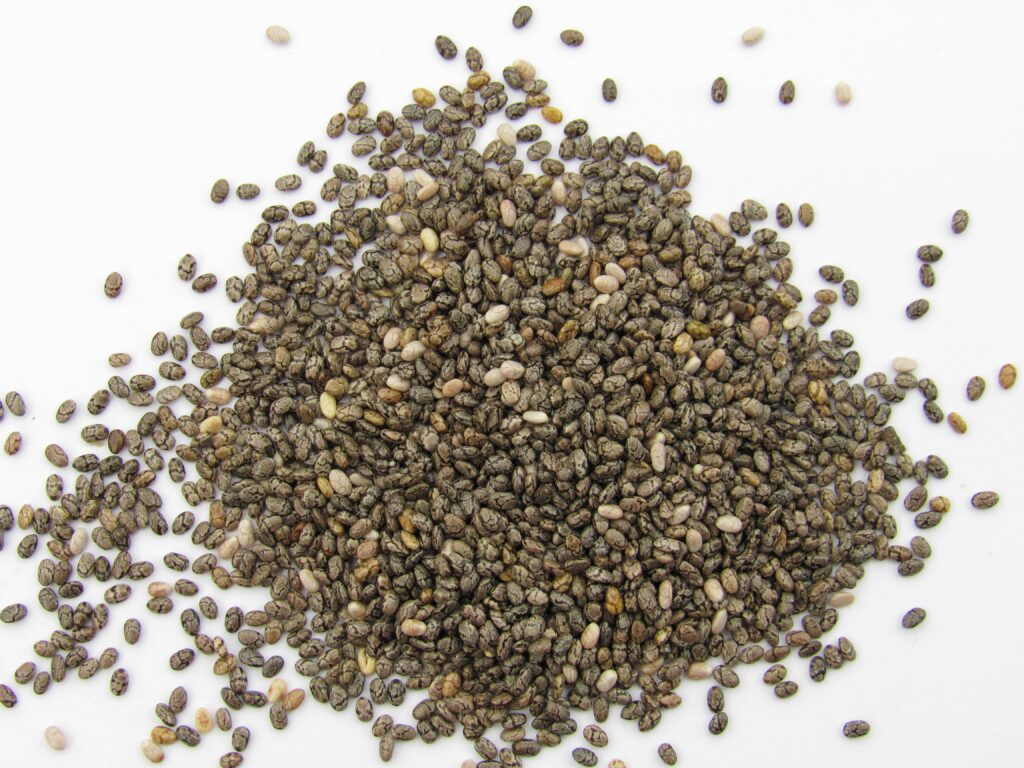
Despite their small size, chia seeds pack a powerful nutritional punch. Two tablespoons of chia seeds provide:
- Protein: 4 grams
- Fiber: 10 grams
Chia seeds can be added to smoothies, yogurt, or oatmeal. They also absorb liquid and form a gel-like consistency, making them useful in puddings and as an egg substitute in baking.
Serving size tip: Start with 1-2 tablespoons of chia seeds per day and gradually increase as tolerated.
8. Black Beans
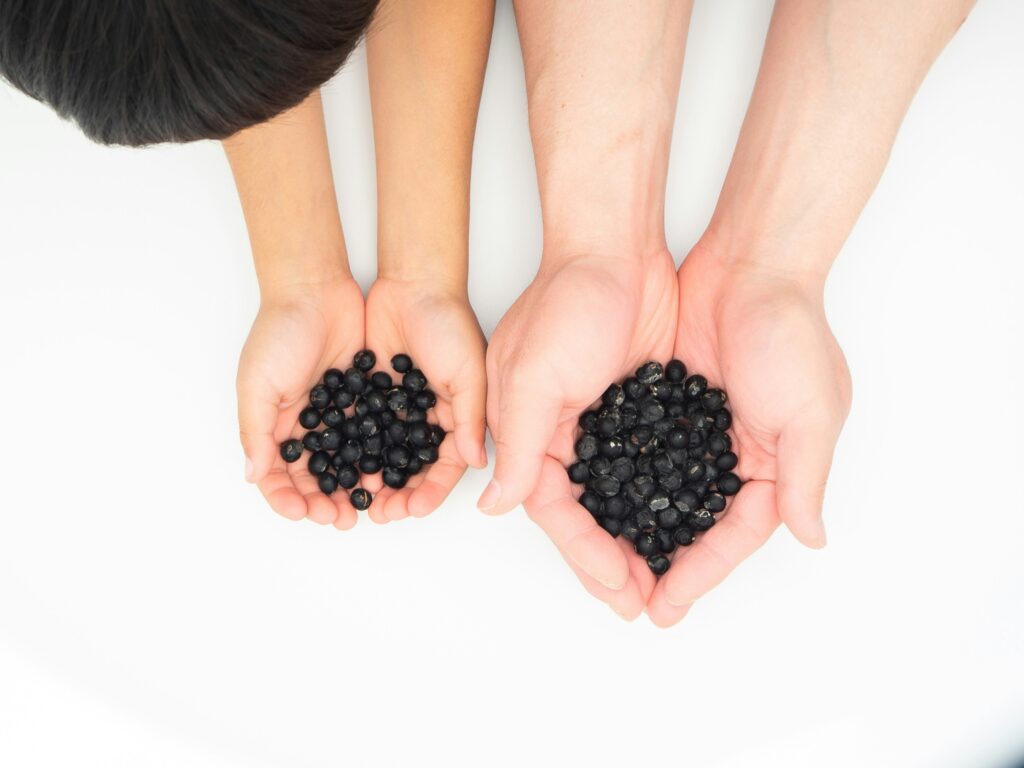
Black beans are another excellent source of both protein and fiber. One cup of cooked black beans contains:
- Protein: 15 grams
- Fiber: 15 grams
Black beans can be used in soups, salads, burritos, or as a side dish. They’re also rich in antioxidants and various minerals.
Serving size tip: Aim for 1/2 to 1 cup of cooked black beans per serving.
Tips for Incorporating These Foods into Your Diet
- Start slowly: If you’re not used to eating high-fiber foods, introduce them gradually to avoid digestive discomfort.
- Stay hydrated: Increase your water intake as you consume more fiber-rich foods to help with digestion.
- Mix and match: Combine different protein and fiber sources to create balanced meals. For example, try a quinoa and black bean salad or a Greek yogurt parfait with chia seeds and almonds.
- Meal prep: Prepare large batches of lentils, quinoa, or beans at the beginning of the week to use in various meals.
- Snack smart: Keep almonds or edamame on hand for quick, protein and fiber-rich snacks.
- Experiment with recipes: Look for new recipes that incorporate these foods to keep your meals interesting and varied.
- Read labels: When buying packaged foods, check the nutrition labels to ensure you’re getting a good balance of protein and fiber.
Conclusion
Incorporating these 8 foods into your diet can significantly help you meet your daily protein and fiber goals. By choosing nutrient-dense options that provide both protein and fiber, you can maximize the nutritional value of your meals while supporting your overall health.
Remember to listen to your body and adjust your intake as needed. If you have any specific dietary concerns or health conditions, it’s always best to consult with a registered dietitian or healthcare professional for personalized advice.
Start small by incorporating one or two of these foods into your daily routine, and gradually increase your intake over time. With consistency and variety, you’ll be well on your way to hitting your protein and fiber goals while enjoying delicious and satisfying meals.
External Link: American Heart Association – How to Add More Fiber to Your Diet
[…] Make these foods a staple in your diet to enjoy not just cholesterol benefits but overall health improvements. Here are 8 Foods to Help You Hit Your Daily Protein and Fiber Goals. […]