

Introduction
Imagine living in a world where your snacks contribute to more than just your taste buds—they nourish your body with essential minerals while satisfying those mid-meal cravings. Magnesium, a crucial mineral responsible for over 300 biochemical reactions in the body, often gets overlooked despite its significant role in maintaining muscle and nerve functions, blood sugar levels, and bone health. Today, let’s embark on a journey to explore snacks rich in magnesium, ensuring each nibble helps you tread the path to wellness. Whether you’re an office worker in need of a brain boost or a busy parent balancing life’s circus, these magnesium-packed snacks are here to lend a hand.
1. Nuts and Seeds: Nature’s Nutrient Powerhouses
Nuts and seeds are nature’s pocket-sized nutrition packs, brimming with essential minerals, including magnesium.
Almonds and Cashews
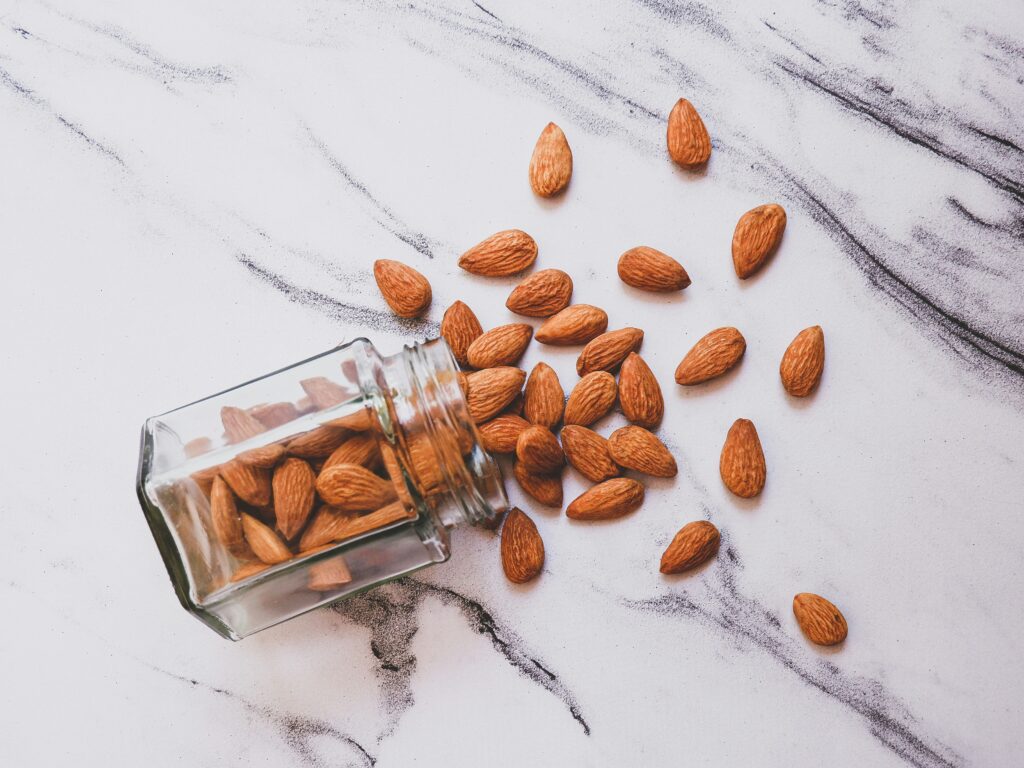
- Almonds: A 1-ounce (28-gram) serving contains roughly 80 mg of magnesium.
- Cashews: These delightful nuts provide approximately 74 mg of magnesium per ounce (28 grams).
Nuts like almonds and cashews are also rich in healthy fats, vitamin E, and fiber. Add them to your breakfast cereal or grab a handful as an afternoon snack for a satisfying energy boost.
Pumpkin and Chia Seeds
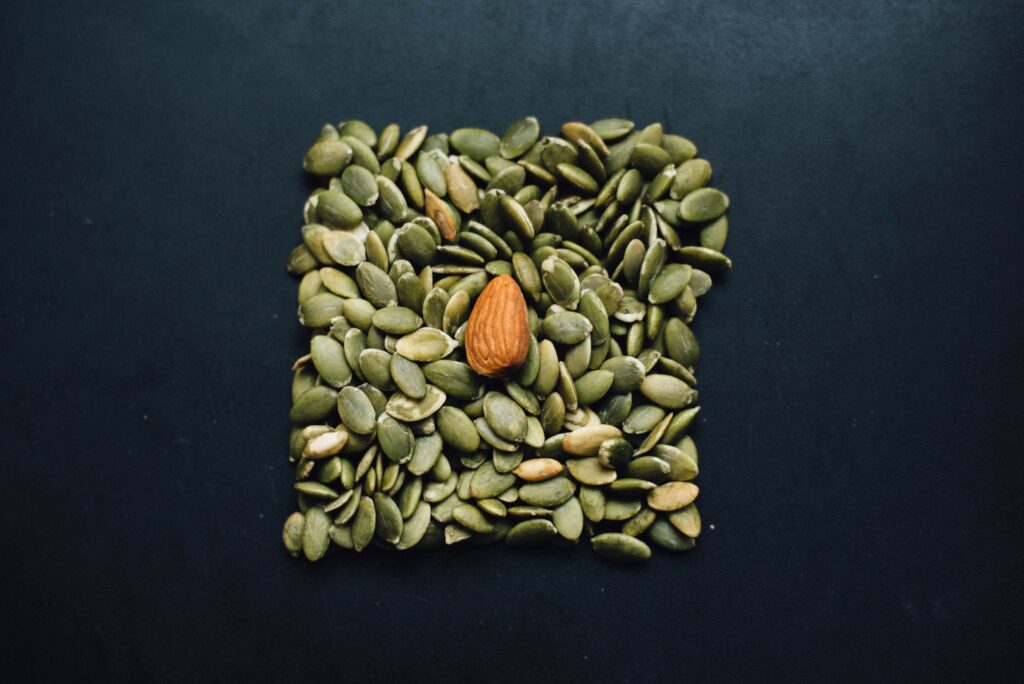
- Pumpkin Seeds: Only a quarter cup contains an abundant 190 mg of magnesium (32 grams).
- Chia Seeds: Offering about 95 mg of magnesium per 100 grams (3.5 oz).
These seeds are packed with fiber, protein, and omega-3 fatty acids. Sprinkle them over a salad or mix them into your smoothies for added nutrient density.
“Snacking on seeds and nuts not only keeps hunger at bay but also boosts your magnesium intake substantially.”
2. Dark Chocolate: A Sweet Indulgence

Yes, you read that right—a square of dark chocolate is a treat to both your taste palate and your magnesium levels.
- Benefits: Rich in antioxidants, a 1-ounce (28-gram) serving contains about 64 mg of magnesium.
Dark chocolate also contains iron, copper, and manganese, alongside a hefty dose of powerful antioxidants. Enjoy a few pieces post-dinner for a guilt-free dessert.
3. Whole Grains: Beyond Your Morning Cereal
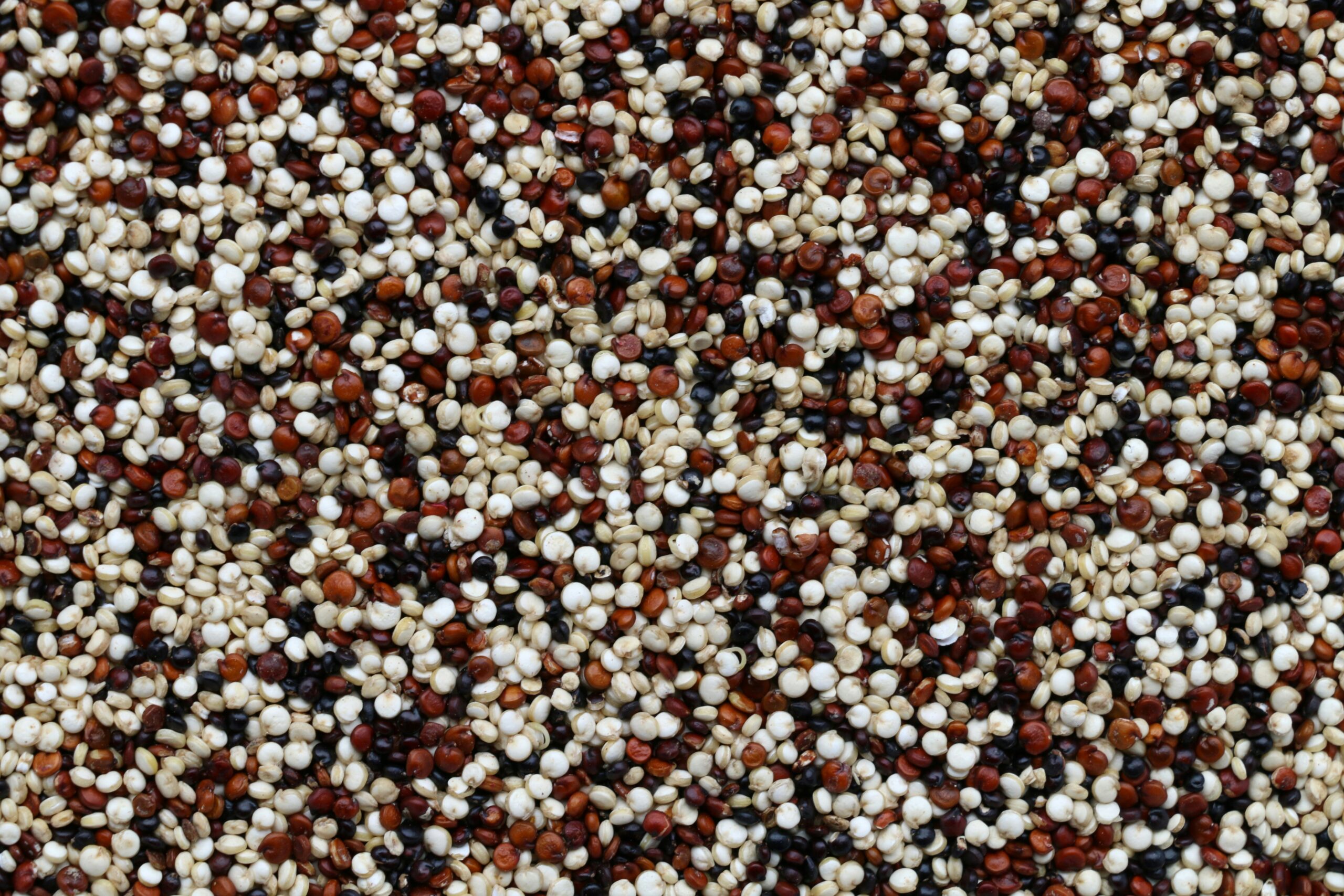
Whole grains are known for their fiber content, but they’re also a fantastic source of magnesium.
Quinoa and Brown Rice
- Quinoa: One cooked cup (185 grams) provides around 118 mg of magnesium.
- Brown Rice: A cooked cup (195 grams) contains about 86 mg of magnesium.
Enrich your meals with protein, B-vitamins, and essential amino acids offered by these grains. Use quinoa or brown rice as a base for salads or as side dishes for any main course.
4. Legumes: Versatile and Nutritious
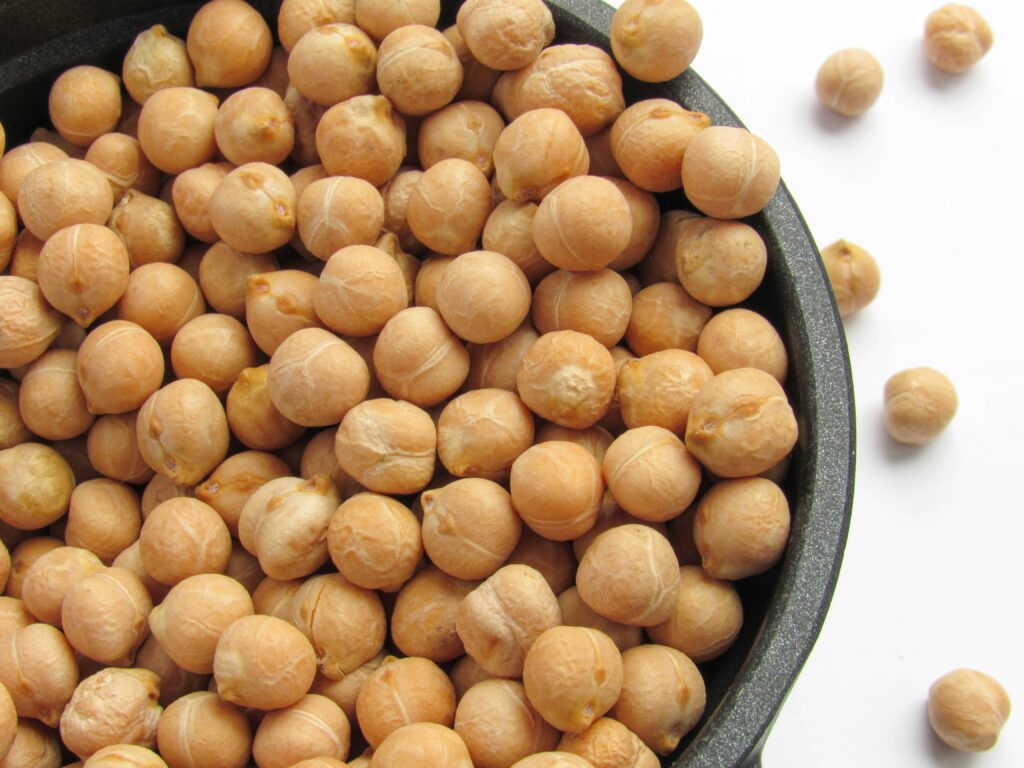
Legumes might not always sit high on snack lists, but they deserve their place.
Lentils and Chickpeas
- Lentils: A cup of cooked lentils (198 grams) delivers about 71 mg of magnesium.
- Chickpeas: A cooked cup (164 grams) includes approximately 60 mg of magnesium.
Loaded with protein, iron, and B-vitamins, legumes can enhance muscle function and energy levels. Roast chickpeas for a crunchy snack or include lentils in soups for a hearty meal.
5. Leafy Greens: More Than a Culinary Accent
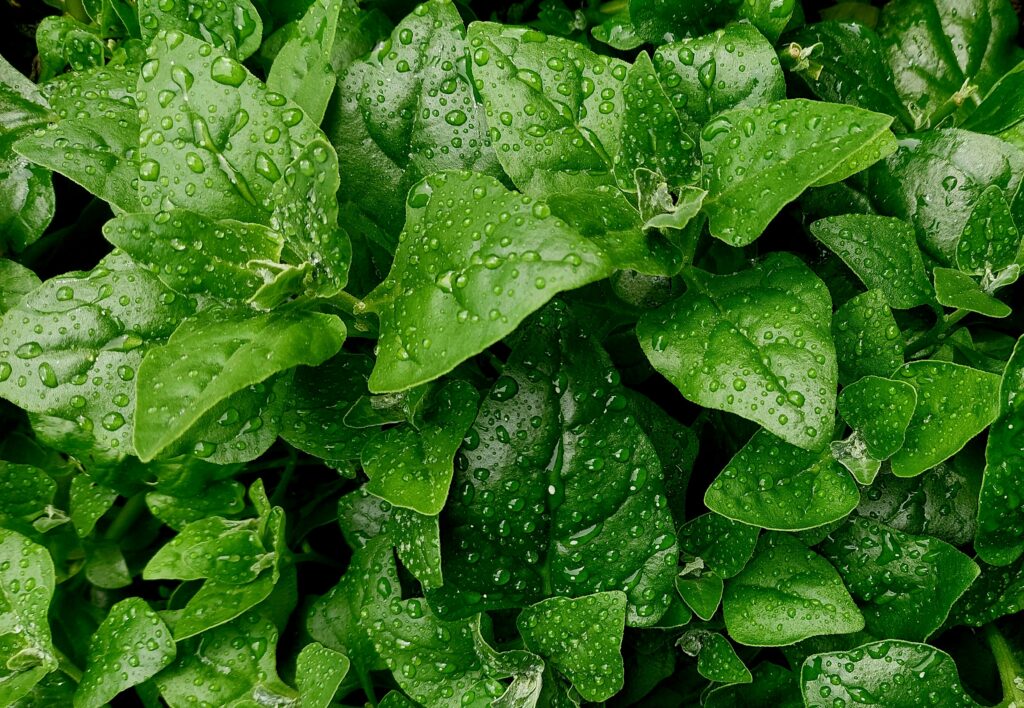
It’s no surprise that leafy greens make the cut. But did you know their role extends to snacking?
Spinach and Swiss Chard
- Spinach: One cup of cooked spinach (180 grams) contains around 157 mg of magnesium.
- Swiss Chard: A similar serving offers about 150 mg of magnesium.
Full of vitamin K, vitamin C, iron, and fiber, leafy greens support bone health and digestion. Blend Swiss chard or spinach into smoothies for a nutrient-rich start to your day.
6. Avocado: The Creamy Delight
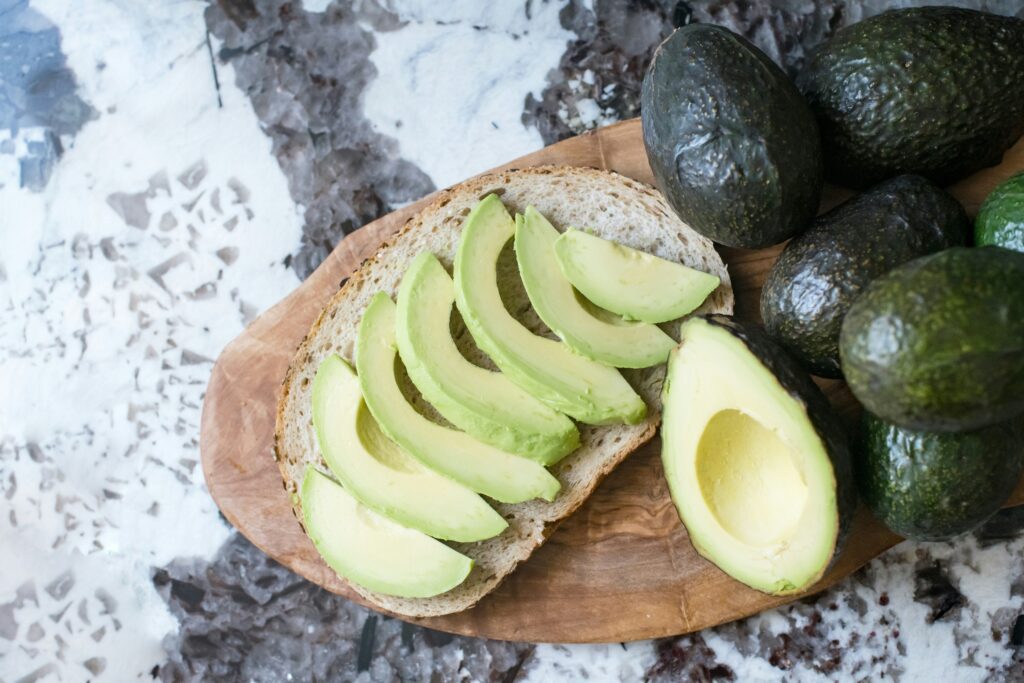
Avocado, loved for its creamy texture and healthy fats, is a versatile fruit that enriches your magnesium intake.
- Nutritional Boost: Half an avocado (100 grams) provides about 29 mg of magnesium.
Additionally, avocados are good sources of potassium, folate, and heart-healthy monounsaturated fats. Mash it onto toast or dice into salads for a creamy and satisfying meal component.
7. Tofu: The Veggie Protein

For plant-based eaters, tofu serves as a commendable magnesium-rich option.
- Quick Snack: Half a cup of tofu (126 grams) offers about 37 mg of magnesium.
Tofu is also rich in protein, calcium, and can be a formidable meat replacement. Try marinating and grilling tofu for a delicious addition to stir-fries or sandwiches.
8. Bananas: Peel Your Way to Wellness

While bananas are famous for their potassium content, their magnesium benefits shouldn’t be underestimated.
- Quick Energy: One medium banana (118 grams) contains about 32 mg of magnesium.
In addition to magnesium, bananas supply dietary fiber and vitamin B6. Slice bananas onto your morning oatmeal or blend into smoothies for natural sweetness.
9. Yogurt: Creamy and Rich

Natural yogurt not only supports gut health but also supplies magnesium.
- Contribution: A cup of plain yogurt (245 grams) brings in around 30 mg of magnesium.
Packed with probiotics, calcium, and protein, yogurt fosters digestion and bone health. Top with fresh fruit and nuts for a wholesome snack or breakfast.
10. Figs: Nature’s Sweetness

Lastly, dive into the natural sweetness of figs, both fresh and dried, for their magnesium content.
- Mineral Content: Four dried figs (about 64 grams) yield approximately 26 mg of magnesium.
Figs are rich in fiber, vitamin A, and beneficial antioxidants. Enjoy them as a stand-alone treat or pair with cheese for a sophisticated charcuterie addition.
Conclusion
Snacking doesn’t have to be a guilty pleasure. By integrating these magnesium-rich snacks into your daily routine, you can nourish your body while enjoying flavors and satisfying hunger pangs. Magnesium is essential, yet often overlooked, but with these delicious options, maintaining your health one snack at a time is not only feasible but enjoyable.
Let’s reconnect with food in a way that fuels our bodies and minds. Try swapping a few of these snacks into your daily line-up and feel the difference.
Disclaimer: The information provided in this article is for educational purposes only and is not intended as a substitute for professional medical advice, diagnosis, or treatment. Always seek the advice of your physician or other qualified health provider with any questions you may have regarding a medical condition or dietary adjustments.