
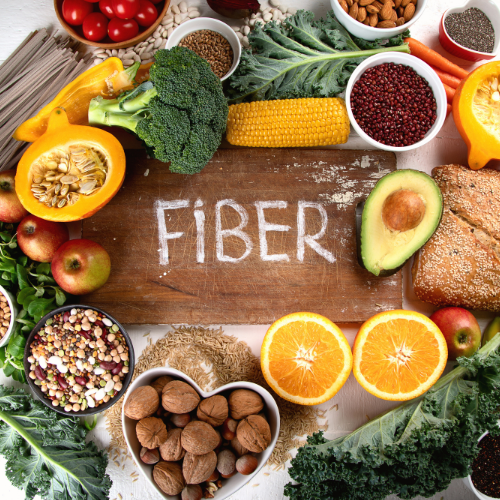
Cholesterol. It’s one of those words that often sparks a twinge of concern during health check-ups and everyday conversations. But what if the key to maintaining healthy cholesterol levels lies in something as simple as your diet, more specifically, the fiber you eat? In this article, we’ll explore the intriguing relationship between fiber intake and cholesterol levels, discuss how different types of fiber interact with cholesterol, and perhaps offer some insight to help you better understand this vital health aspect.
What is Fiber?
Fiber is more than just a buzzword; it’s a crucial component of a balanced diet. It’s an indigestible part of plant foods, which plays an essential role in maintaining good health.
Types of Fiber
- Soluble Fiber: Dissolves in water, forming a gel-like substance. Common sources include oats, beans, lentils, apples, and citrus fruits.
- Insoluble Fiber: Does not dissolve in water and helps add bulk to stool. Found in foods like whole grains, nuts, and vegetables.
Understanding these two types provides a foundation for realizing how they impact various aspects of health, especially cholesterol levels.
How Does Fiber Affect Cholesterol Levels?
Your cardiovascular health hinges heavily on cholesterol management, and fiber plays a surprising role in this equation. The magic primarily lies with soluble fiber.
Mechanism of Action
- Binding Bile Acids: Soluble fiber binds to bile acids in the intestines. Bile acids are made from cholesterol; when they bind, they’re excreted rather than recycled, compelling your body to use more cholesterol to produce more bile.
- Reducing Lipid Absorption: Soluble fiber can slow down the rate of absorption of fats in your diet, potentially lowering overall cholesterol uptake.
“By incorporating more fiber into your diet, you can effectively reduce LDL (low-density lipoprotein) cholesterol, often termed ‘bad’ cholesterol.”
Foods to Eat
Incorporating the right foods into your diet is a simple and effective way to harness the benefits of fiber.
High-Fiber Foods for Lowering Cholesterol
- Oats and Barley: Rich in beta-glucans, these can help lower both total and LDL cholesterol.
- Beans and Lentils: Packed with soluble fiber, making them excellent cholesterol-busting foods.
- Nuts and Seeds: Almonds, walnuts, and flaxseeds are particularly beneficial.
- Fruits: Apples, berries, and citrus fruits have ample soluble fiber.
- Vegetables: Brussels sprouts and sweet potatoes are great options.
Make these foods a staple in your diet to enjoy not just cholesterol benefits but overall health improvements. Here are 8 Foods to Help You Hit Your Daily Protein and Fiber Goals.
Fiber Supplements and Cholesterol
When dietary sources are insufficient, fiber supplements may come into play.
Types of Supplements
- Psyllium Husk: Known for its high soluble fiber content, it has been shown to reduce LDL cholesterol.
- Methylcellulose and Polycarbophil: Less common but can help with fiber intake.
Before starting a supplement, it’s wise to consult with a healthcare provider to ensure its suitability and avoid any potential side effects.
Lowering Cholesterol: Beyond Fiber
While fiber is significant, a holistic approach amplifies the benefits.
Additional Ways to Manage Cholesterol
- Regular Exercise: Enhances heart health and can raise HDL (high-density lipoprotein), commonly labeled “good” cholesterol.
- Healthy Fats: Incorporate sources like olive oil and fatty fish, which provide unsaturated fats.
- Reduced Saturated Fats: Limit food high in saturated fats such as red meat and full-fat dairy products.
Combining these lifestyle changes with increased fiber intake provides a robust defense against high cholesterol levels.
Takeaway
Incorporating more fiber in your diet, especially soluble fiber, is a practical and effective strategy to lower cholesterol levels. Couple this with a balanced lifestyle, and you’re paving the way towards better heart health.
Remember, small changes can lead to significant benefits. Whether it’s starting your day with a bowl of oatmeal or simply adding more whole fruits and vegetables to your meals, each step matters in the journey to managing cholesterol. For more personalized advice, consider speaking with a healthcare professional or nutritionist.
By embracing these insights and adding fiber-rich foods into your everyday routine, you may not just look forward to more satisfactory doctor visits, but also to a healthier, more vibrant life.
For more information on dietary guidelines and cholesterol management strategies, consider visiting trusted resources such as the American Heart Association.
[…] Internal Link:Does Fiber Lower Cholesterol? […]